A growing number of American cities are severing contracts with a controversial AI surveillance firm after revelations that its vast database of vehicle movements has been repeatedly accessed by immigration authorities enforcing Donald Trump's mass deportation agenda.
From Crime-Fighting Tool to Immigration Surveillance
The fierce debate inside Oakland's council chamber on 16 December last year laid bare the national divide. Citizens invoked the Holocaust and accused officials of complicity, while others pleaded for the crime-solving technology they believe keeps communities safe. At the heart of the conflict is Flock Safety, an Atlanta-based start-up founded in 2017.
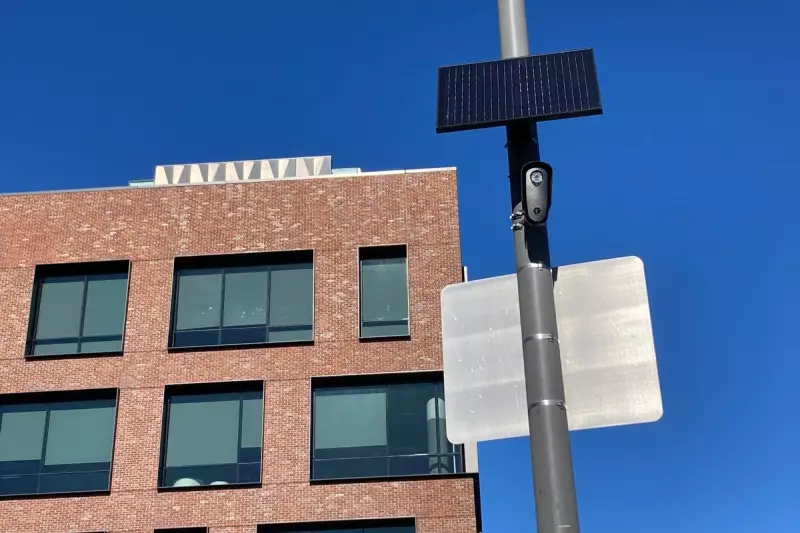
The company operates a network of over tens of thousands of AI-enabled automatic number plate recognition (ANPR) cameras across 5,000 communities in 49 states. Its pitch to local police forces has been powerful: dramatically cut crime by tracking vehicles linked to serious offences, from theft rings to the Brown University gunman who killed three last month.

How Local Police Data Reached Federal Agents
Flock maintains that data is owned by its clients, who control access. However, the company's vision relies on sharing. In August, it told Congress that 75% of its customers were enrolled in a "national lookup" network, allowing mutual data searches. This created a vast pool of location data on everyday Americans.
An investigation by 404 Media in May revealed the consequence: police nationwide performed thousands of immigration-related searches for federal agencies via this network, often with vague justifications like "immigration" or "ICE." This occurred even in sanctuary cities with laws limiting cooperation with federal immigration enforcement.
In a critical admission last August, Flock confessed it had secretly run a pilot programme granting direct access to the Department of Homeland Security, despite previous denials of any federal contracts. The company blamed "internal miscommunication."
A National Backlash and a Company Under Fire
The fallout has been swift. Cities including Austin, Cambridge, Olympia, Santa Cruz, and Eugene have ended or paused their Flock subscriptions. The fatal shooting of Renee Good in Minneapolis by ICE agents, who had accessed Flock data, intensified concerns.
"They didn’t just mislead us; it's coming out that they’ve misled a lot of people," said William Paige, a council member in Mountlake Terrace, Washington, who now feels "played."
Flock says it has since tightened rules, pausing federal pilots and letting customers block searches related to civil immigration enforcement. Yet critics point to a damning case in Texas where police searched for a woman who'd "had an abortion." Flock and the sheriff initially dismissed reports as "clickbait," but public records later showed an investigation into fetal death and potential criminal charges.
Democratic Senator Ron Wyden accused Flock of spinning facts and shifting blame, writing that abuses were "inevitable" and the company was "uninterested in preventing them." When questioned by The Independent, a Flock spokesperson declined to comment beyond directing to its website.
Despite the uproar, Oakland's council ultimately voted to extend its contract, citing Flock's role in 10% of arrests. Meanwhile, in a Chicago suburb, officials caught Flock workers reinstalling cameras ordered for removal, leading to manual lens cover-ups. The company denies breaking any law, stating, "We disagree, respectfully."