Disturbing new allegations have surfaced detailing horrific conditions inside a notorious Venezuelan detention centre, described by former inmates as a "vast torture chamber."
From Shopping Mall to 'Hell on Earth'
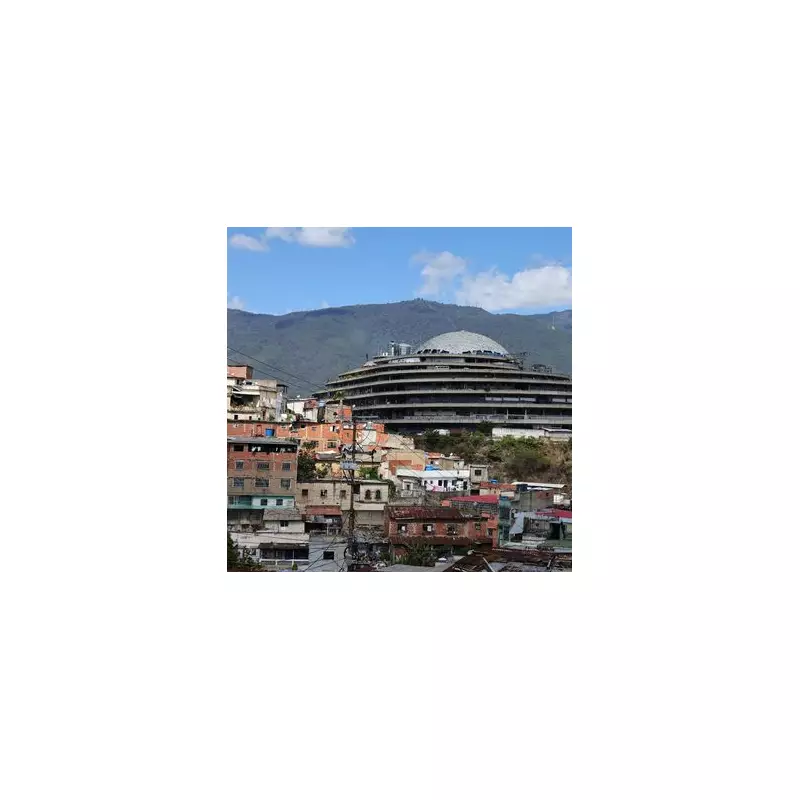
El Helicoide, a spiral-shaped building in the capital Caracas, was originally conceived in the 1950s as the world's first drive-thru shopping centre. Under the regime of President Nicolás Maduro, however, the facility was repurposed into what is now branded "hell on Earth." It primarily houses detainees under the jurisdiction of SEBIN, the national intelligence service, which moved into the building in the 1980s.
Former inmates describe systematic torture and inhumane treatment. Rosmit Mantilla, an opposition politician who spent two years imprisoned there, provided a harrowing testimony of the abuses.

Accounts of Systematic Torture and Abuse
Mantilla alleges that prisoners were subjected to electrocution, with some losing sight in an eye after electrodes were applied. He described victims being "hung up like dead fish" during torture sessions. In deeply distressing claims, he stated that some inmates were raped with rifles by guards.
Prisoners reportedly endured a cruel form of psychological torment known as "white torture" or "Russian torture." This involves confinement in a small, windowless cell with walls and ceilings painted entirely white, under ceaseless bright lights. The effect destroys a prisoner's perception of time, leading to hallucinations and a feeling of one's mind "dripping away."
Other brutal practices included:
- Placing bags, sometimes containing excrement, over inmates' heads before assaults.
- Extreme overcrowding in cells nicknamed "el infiernito" (little hell), where detainees were forced to urinate near their food storage due to lack of space and could not lie down.
- Prisoners waking to find cellmates unconscious and covered in blood after being taken away at night.
Recent Developments and Disputed Releases
The situation at El Helicoide has drawn renewed international focus following recent military action in Venezuela. In January 2026, US-led strikes culminated in the capture of President Nicolás Maduro.
In the aftermath, Jorge Rodríguez, president of Venezuela's National Assembly, claimed that some political prisoners would be freed, asserting that 116 inmates had already been released. However, this figure is heavily contested. The independent human rights organisation Penal Forum alleges the true number of releases is only 56, casting doubt on the regime's promises and leaving many families in anxious limbo.
While the capture of Maduro has offered a glimmer of hope to detainees' families, the grim legacy of El Helicoide stands as a stark testament to the severe human rights abuses alleged under his government.