White House Faces Backlash Over AI-Altered Image of Arrested Activist
Prominent civil rights lawyer Nekima Levy Armstrong has launched a scathing critique against the White House, accusing the presidential administration of behaving like a "$2 tabloid" after it published an artificially generated photograph depicting her in tears during an arrest.
'A False Iteration to Make Me Look Weak'
The 49-year-old attorney and social justice activist was one of nine individuals apprehended last month following a protest at a Minnesota church where an Immigration and Customs Enforcement official serves as pastor. Justice Department officials have alleged the demonstration impeded religious freedom.
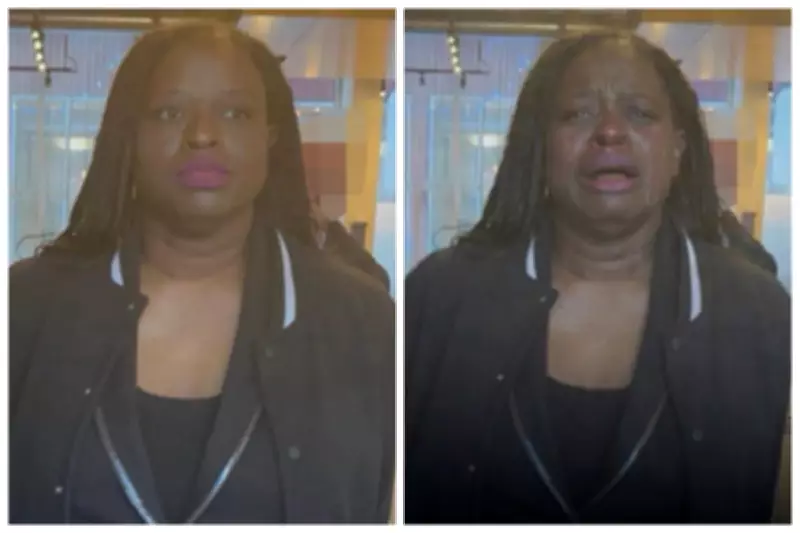
While an authentic photograph from the scene shows Levy Armstrong walking calmly with her head held high, the White House circulated a digitally altered version on social media. The manipulated image portrayed her with tears streaming down her face, a wide-open mouth as if sobbing loudly, and noticeably dishevelled hair.

"They couldn't break me by arresting me," Levy Armstrong told the New York Times. "So, they doctored an image to show the world a false iteration of that time to make me look weak." She described the experience as profoundly degrading, stating it reduced her image to that of a "scared crying woman" and demonstrated how far the office of the president had fallen.
Disgust and Historical Parallels
The mother of four learned about the altered image while in jail during a phone call with her husband. Upon later viewing it herself, she expressed feeling "disgusted" and drew disturbing parallels to racist caricatures of Black people disseminated during the Jim Crow era.
"The presidency, the White House, is supposed to symbolize the world's greatest superpower, but instead they acted like a $2 tabloid," Levy Armstrong asserted, highlighting the stark contrast between expected governmental decorum and the reality of the situation.
White House Dismissal as 'Meme'
When questioned about the controversial image at the time, White House deputy communications director Kaelan Dorr referred to it merely as a "meme." In a written statement, Dorr declared, "Enforcement of the law will continue. The memes will continue. Thank you for your attention to this matter." This casual dismissal has further fueled criticism regarding the administration's approach.
Context of the Church Protest
Levy Armstrong co-organised the demonstration at the Cities Church in St. Paul, Minnesota, targeting a pastor who reportedly works in a local ICE field office. Tensions between immigration enforcement authorities and activists in the state had been escalating for weeks, intensifying particularly after the fatal shooting of 37-year-old Renee Good.
During the incident, protesters entered the church, interrupting a service with chants of "ICE out" and "Justice for Renee Good." Online videos captured congregation members leaving as the disruption unfolded. The Justice Department swiftly condemned the protest, accusing participants of conspiring against religious freedom rights and attempting to intimidate those exercising their religion.
Legal Implications and Broader Arrests
Beyond Levy Armstrong, other activists and journalists were arrested, including former CNN anchor Don Lemon, who has pledged to contest the charges. Legal representatives for Levy Armstrong have already cited the manipulated photograph in court filings, presenting it as evidence of the government's "nakedly obvious bad faith," potentially interfering with the case against her.
The incident raises significant questions about the ethical use of artificial intelligence and image manipulation by governmental institutions, particularly when targeting individuals involved in legal proceedings. The Independent has reached out to the White House for further comment on the matter.