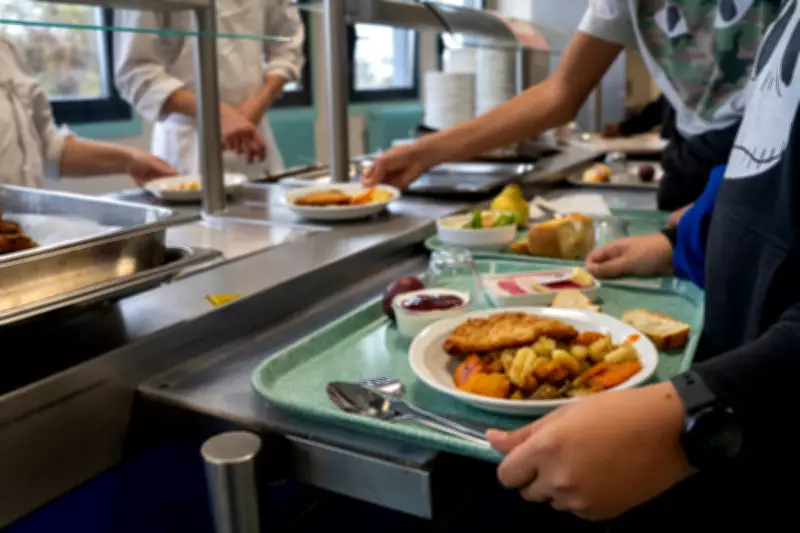
A worrying new bullying trend known as 'lunch shaming' is emerging in school cafeterias, according to mental health experts. Students are secretly photographed while eating, and the images are shared online, causing significant psychological harm.
What Is Lunch Shaming?
Lunch shaming involves classmates taking unflattering photos of peers during meals and posting them on social media. Experts say the practice falls into two categories: capturing 'ugly mouthfuls' or targeting 'lonely eaters.' This can damage self-esteem, worsen body image concerns, and lead students to avoid cafeterias altogether.
Prevalence and Impact
Research by Catherine Bradshaw, a University of Virginia researcher, found that 14 percent of elementary students and 18 percent of middle and high school students reported being bullied in the cafeteria in the past month. The rise of smartphones has transformed traditional teasing into a more persistent and public form of harassment.

Christian Okafor, a high school senior in San Diego, told the Wall Street Journal he has been targeted 30 to 40 times. He now seeks secluded spots to eat. Nihar Patel, a recent graduate from Fairfield, Ohio, stopped eating in the cafeteria after a friend was victimized, leading her to stop eating at school due to body issues.
School Responses
Schools are implementing cellphone restrictions to combat lunch shaming. Some districts have full-day phone bans, while others limit use during class. In Aberdeen, Washington, a full-day phone ban led to more middle school students eating school lunches again, as they no longer feared being photographed.
However, experts note that digital harassment evolves faster than policy. Even with phone bans, some students shift to other forms of online ridicule, such as social media pages mocking bad drivers. Kaplan Jorgensen, an associate professor at University College Copenhagen, emphasized that subtle hidden bullying remains the most challenging to address.