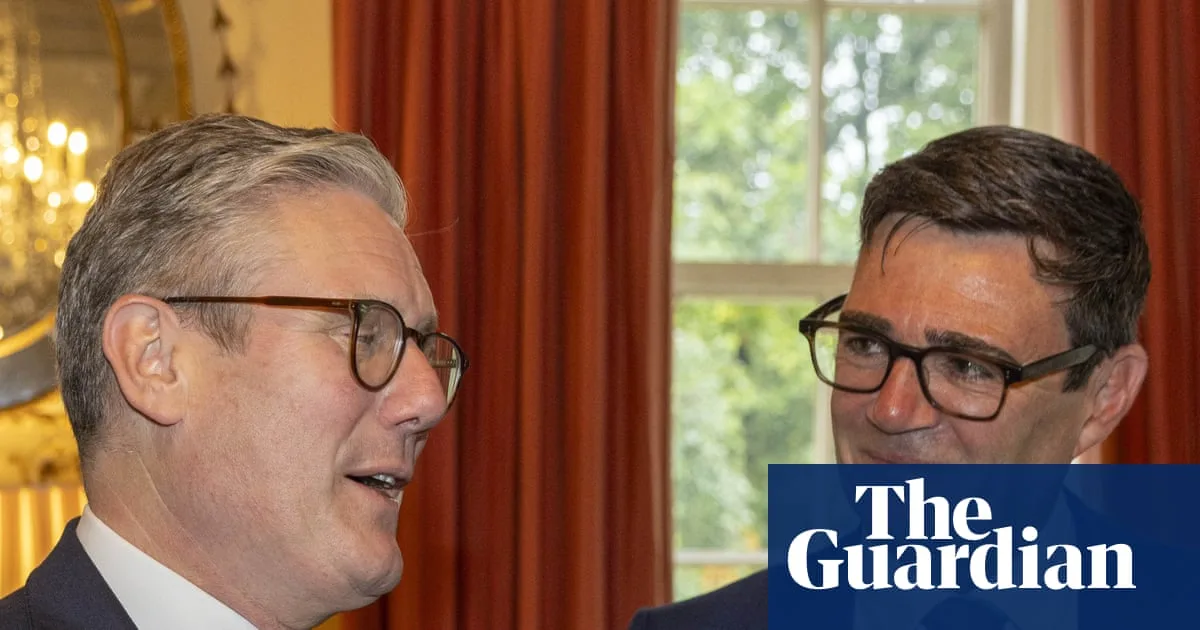
The pound was heading for its worst week in 18 months on Friday as City traders anticipated that Prime Minister Keir Starmer could face a leadership challenge from Manchester mayor Andy Burnham later this year. Sterling dropped by about three cents, or 2.2%, during the week to $1.332 on Friday, a five-week low, marking the largest weekly drop against the US dollar since Donald Trump's election win in early November 2024.
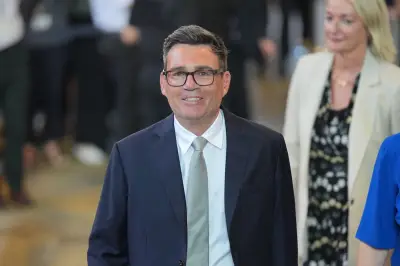
The pound fell against the dollar every day this week as leadership tensions gripped Westminster, culminating in the prospect of Burnham challenging Starmer after the Greater Manchester mayor announced he would run for parliament in the north-west constituency of Makerfield. Kathleen Brooks, research director at XTB, said: 'The pound is weakening this morning after a sharp drop on Thursday, when Andy Burnham threw his hat into the ring. This is a sign that Burnham is the least market-friendly of all the candidates.'
UK government borrowing costs jumped amid a wider sell-off of sovereign debt, with yields on UK 10-year bonds rising to 5.18%, their highest level since 2008. Thirty-year bond yields also hit 5.85%, above the 28-year high reached earlier this week. The sell-off reflected concerns that a Burnham premiership might loosen fiscal rules and increase borrowing to fund higher spending.

Investors recalled that in January, Burnham said the UK was 'in hock to the bond markets' and trapped in 'a low-growth doom-loop', though he has since softened his stance. Neil Wilson of Saxo UK said markets would not like the idea of a left-leaning PM with well-known fiscal views. Mark Dowding of RBC BlueBay Asset Management told clients that Starmer's days in Downing Street were 'numbered' and that UK financial assets and sterling would face an elevated political risk premium.
It would take weeks before Burnham can challenge Starmer, as he must first win a by-election in an area where Reform UK performed well in local elections. The sitting MP, Josh Simons, who is standing down to give Burnham a route back to Westminster, has a majority of just over 5,000 votes. Bill Diviney of ABN Amro predicted that uncertainty over fiscal policy would fuel volatility in gilt markets, but noted that Burnham is popular with the public and that keeping Rachel Reeves as chancellor would help signal continuity.