Readers have responded to Polly Hudson’s recent article criticising handshakes, with many defending the gesture as a vital mark of trust and humanity. Priscilla Packer, writing from France, argues that hand contact is an open gesture meant to transmit our humanity, and that avoiding it due to hygiene concerns is sad. She suggests carrying hand sanitiser discreetly.
James Tuson of Hertford agrees, describing the handshake as a simple greeting that shows appreciation, unlike fist or elbow bumps. He notes that women he meets are comfortable with handshakes, and that initial contact defines the relationship.
Neil James, based in Spain, criticises Hudson’s aversion to physical contact as typically English, pointing out that kissing and hugging are normal in many European cultures. He mentions that in Germany, handshakes are essential.

Robert Gallimore from Taunton recalls that Welsh Guards officers avoid handshakes, with one WWII veteran calling it a “ghastly American custom”. Martin J Masterman-Lister of Southampton proposed a contactless handshake involving pinching fingers above the head, but it hasn’t caught on.
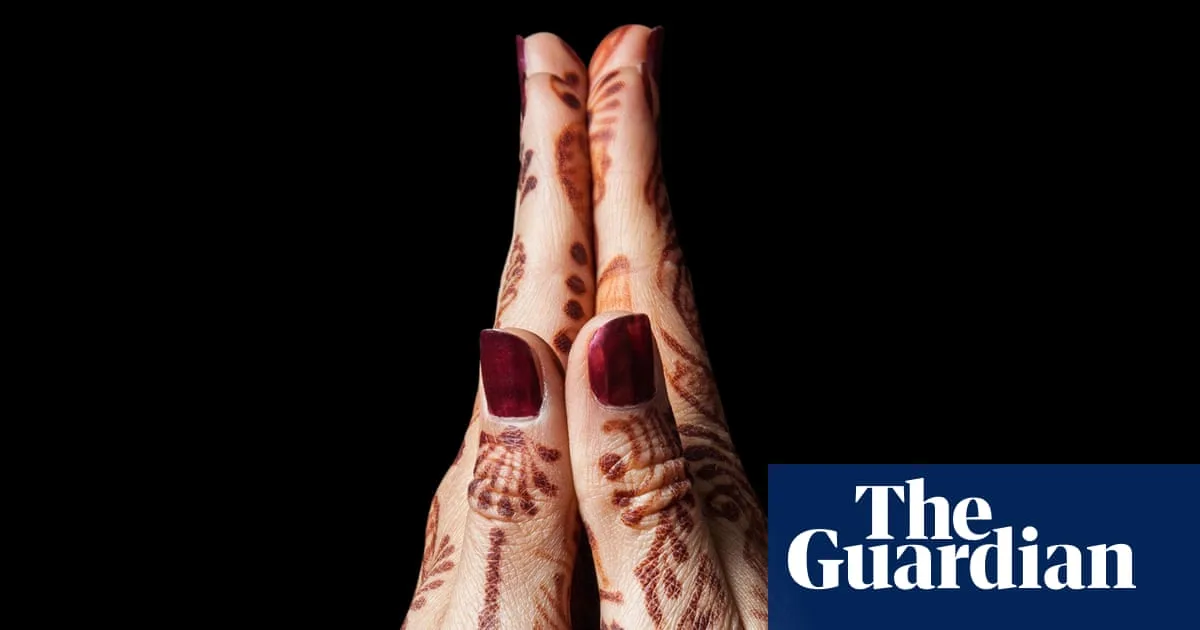
Lynne Jones welcomes the post-Covid swap of tennis handshakes for racket taps, avoiding sweaty palms. Ratilal Chauhan suggests the Indian namaste, which is contactless and signals no weapon. Jim Sanders from Sweden proposes the Japanese bow, though it might seem deferential.