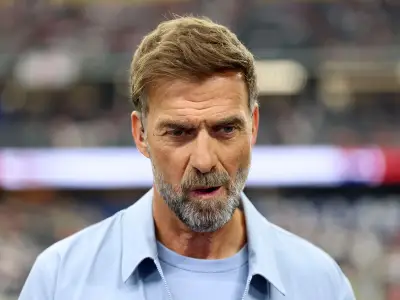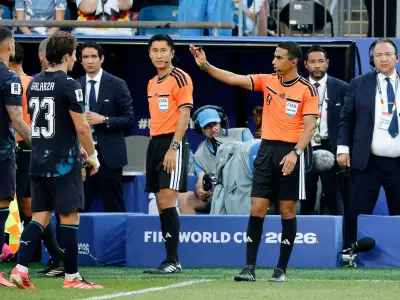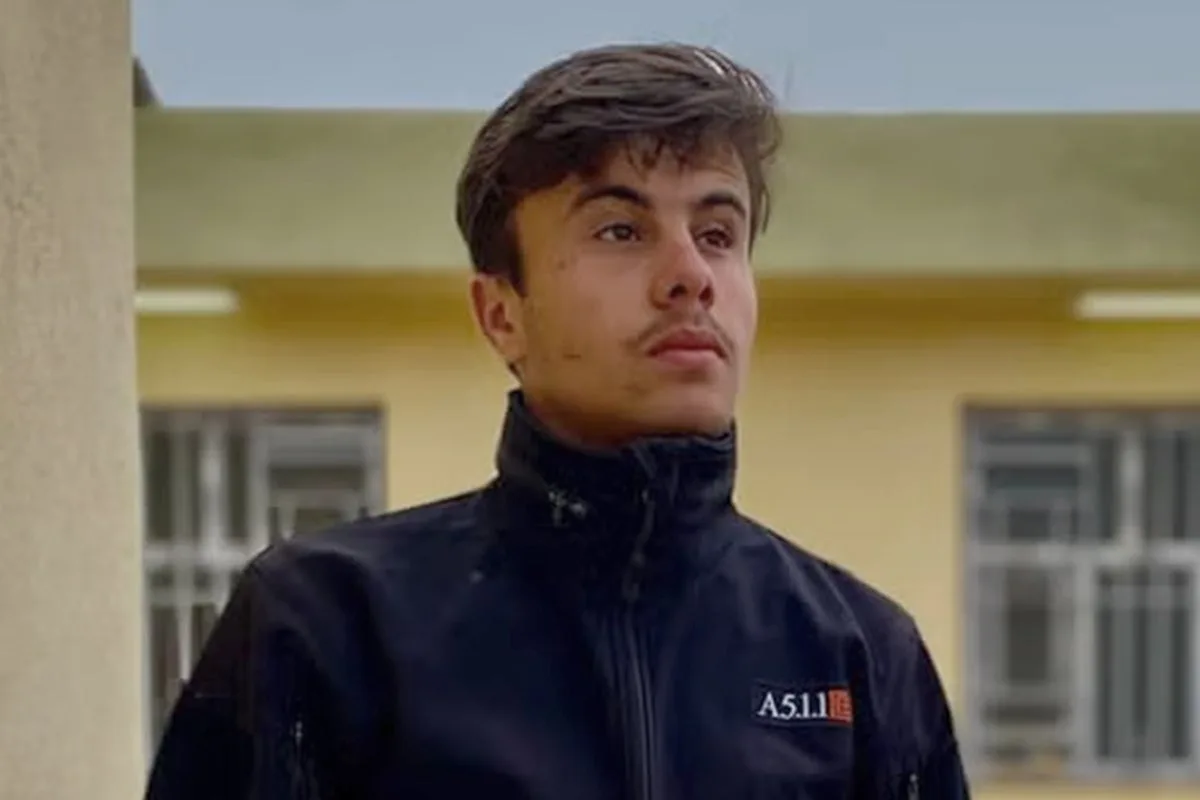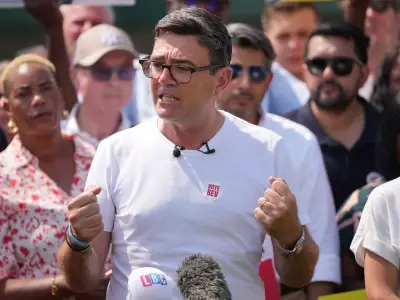
The football has only just kicked off, but this World Cup has already seen its fair share of controversy. With a Somali referee barred from entering the US, Fifa president Gianni Infantino cosying up to Donald Trump, and accusations of price gouging and cash grabbing, fans have been left with mixed emotions about the tournament. Annie Kelly speaks to sportswriter and columnist Jonathan Liew about these issues.
The Somali Referee Incident
A Somali referee was denied entry into the United States, raising questions about visa policies and discrimination. This incident has sparked debates about fairness and inclusivity in international sports events.
Infantino and Trump: A Controversial Alliance
Fifa president Gianni Infantino has been criticized for his close ties with Donald Trump. Many see this as a political move that undermines the neutrality of football's governing body.

- Accusations of price gouging have emerged, with ticket prices soaring beyond reach for average fans.
- Cash grabbing allegations suggest that the tournament prioritizes profit over the spirit of the game.
Fan Reactions and Boycott Calls
These controversies have led to calls for a boycott of the World Cup. Some argue that participating in such an event supports unethical practices, while others believe that football should remain apolitical.
Jonathan Liew, a prominent sports journalist, weighs in on the debate. He suggests that fans must consider the broader implications of their support.
The Bigger Picture
The World Cup is more than just a sporting event; it is a global platform that intersects with politics, economics, and social issues. As fans, the decision to watch or boycott reflects personal values and priorities.
- Consider the ethical implications of the tournament's management.
- Evaluate the impact of political alliances on the sport's integrity.
- Think about the message a boycott sends to governing bodies.
Ultimately, the choice is personal. But as the tournament progresses, these issues will continue to shape the conversation around football and its role in society.