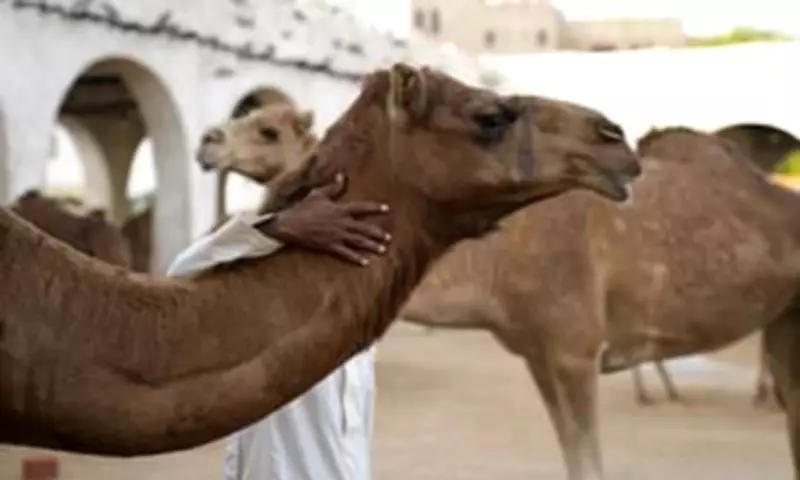
In a striking development from the Gulf region, twenty camels have been officially disqualified from a prestigious beauty pageant held in Oman after veterinary experts discovered they had undergone illicit cosmetic procedures. This incident underscores the intense competition and high stakes involved in camel beauty contests, which are deeply rooted in Bedouin heritage and cultural traditions across the Gulf States.
The Scandal Unfolds in Muscat
The disqualifications occurred during a competition in Muscat earlier this year, where breeders sought an unfair advantage by employing banned techniques to enhance their camels' appearances. Officials reported that these methods included Botox injections to artificially inflate the camels' lips, muscle relaxants to soften facial features, and silicone wax injections to expand their humps. Veterinary professionals overseeing the event were the first to detect these cosmetic enhancements, leading to the immediate disqualification of the twenty affected animals.
A Multimillion-Pound Industry Under Scrutiny
Camel breeding represents a multimillion-pound industry in the Gulf, with beauty pageants serving as key events that celebrate cultural prestige and offer substantial prizes. These contests regularly attract thousands of camels competing for rewards worth millions of pounds, fostering a competitive environment that sometimes pushes breeders to resort to unethical practices. The organisers of the pageant, known as the Camel Club, have expressed their commitment to maintaining integrity in these events.

The Camel Club stated they are 'keen to halt all acts of tampering and deception in the beautification of camels' and have promised to 'impose strict penalties on manipulators.' They detailed how Botox was injected into various parts of the camels' heads, such as lips, noses, and jaws, to relax muscles, while collagen fillers were used to enlarge lips and noses, and hormones were administered to boost muscle growth.
Historical Context of Cosmetic Cheating
This is not the first instance of camels being disqualified for cosmetic enhancements in Gulf beauty pageants. Back in 2021, more than forty camels were excluded from a Saudi Arabian competition for receiving similar procedures, including Botox. At that time, judges utilised advanced technology to uncover tampering on an unprecedented scale, as reported by the state-run Saudi Press Agency (SPA). These recurring incidents highlight ongoing challenges in regulating the industry and preserving the authenticity of these cultural events.
Cultural Significance and Future Implications
Camel beauty pageants are regularly held across the Gulf States, serving as vibrant celebrations of Bedouin heritage that draw significant attention and participation. The recent disqualifications in Oman have sparked discussions about the need for stricter enforcement and ethical standards to prevent future manipulations. As the industry continues to thrive, organisers and authorities are likely to enhance monitoring measures to ensure fair competition and uphold the cultural values embedded in these traditions.
The incident in Muscat serves as a reminder of the pressures within the camel breeding sector, where the pursuit of prestige and financial gain can sometimes lead to controversial practices. Moving forward, increased vigilance and technological advancements may play crucial roles in safeguarding the integrity of these beloved cultural pageants.