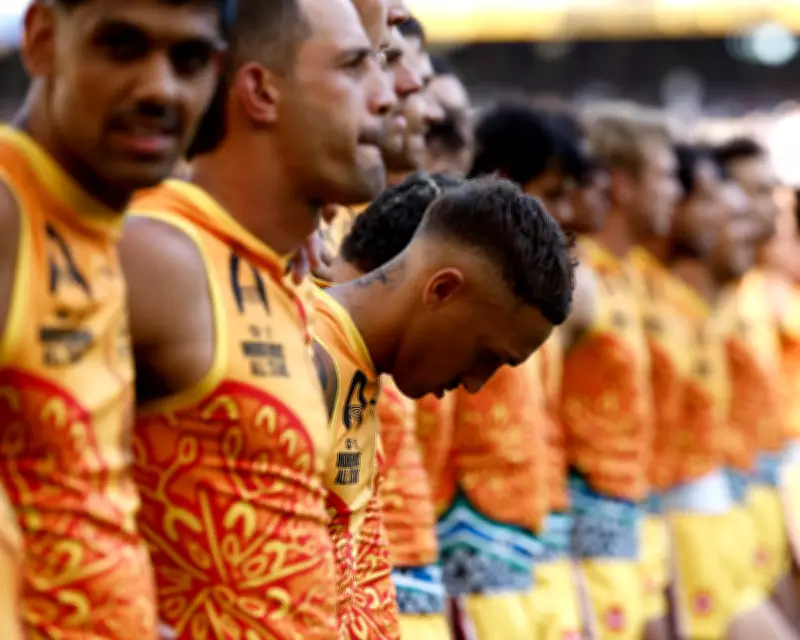
AFL Scrambles to Address Steep Decline in Indigenous Participation
The Australian Football League (AFL) is confronting a troubling trend as the number of Aboriginal and Torres Strait Islander men's players has fallen to its lowest point in two decades. In 2020, there were 87 Indigenous athletes competing in the top men's competition, but by the 2025-26 season, this figure has dwindled to just 62, marking an approximate 30% downturn. This significant drop has left league officials, clubs, and the players' union urgently seeking answers, with many pointing to historical burdens and inadequate support systems as key factors.
Historical Legacy and Modern Challenges
The decline comes amid a backdrop of rich Indigenous contributions to the sport, exemplified by trailblazers like Bill Dempsey, the first Northern Territory player to grace the MCG. Dempsey's legacy, along with other icons such as Syd Jackson and Polly Farmer, underscores the deep roots of Indigenous talent in Australian rules football. However, the current situation highlights how the weight of history, including the impacts of the Stolen Generations, magnifies issues of obligation and responsibility for Indigenous players. These athletes often face profound disconnections from community, country, and kinship networks when transitioning into the professional ecosystem, leading many to make principled decisions to step away from the game they love.
Systemic Failures and Cultural Safety
Experts argue that the problem is not a lack of skill or desire among Indigenous players but rather systemic failures in support at club levels. The COVID-19 pandemic exacerbated these issues, wreaking havoc on junior competitions in regional and remote areas, where pathways to elite football are already fragile. Without cohesive efforts from clubs, recruiters, coaching staff, the AFL, and the AFL Players' Association (AFLPA), players often fall through the cracks, feeling unsupported or unsafe. This has led to harmful deficit theories, such as the misconception that Indigenous players cannot handle pressure or lack discipline, further alienating potential talent.

Calls for Action and Measurable Outcomes
To reverse this decline, there is a pressing need for robust data and deep cultural engagement. The AFL's First Nations Strategy, aimed at increasing Indigenous participation, has been criticized for not acknowledging past work and failing to deliver measurable outcomes. As highlighted by the ghost of Adam Goodes, whose career was marred by controversy, the vulnerability of Indigenous players persists without demonstrative support. The league must move beyond platitudes and implement concrete actions to ensure cultural safety and retention, honoring the legacies of pioneers while fostering a more inclusive future for the sport.