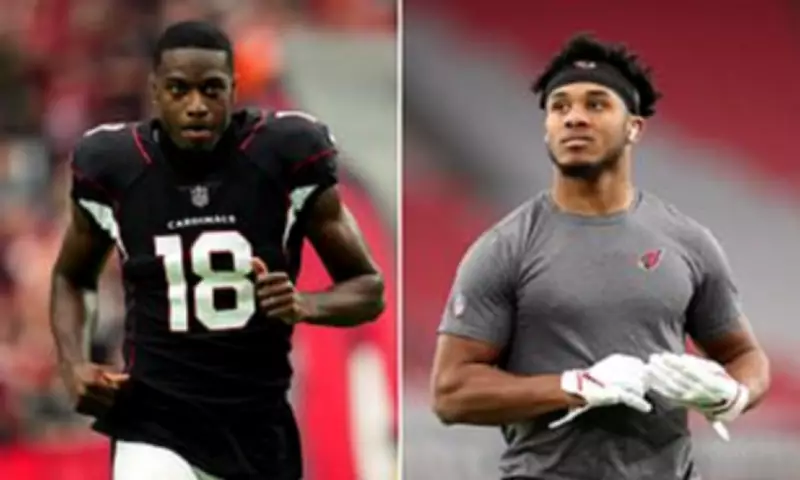
AJ Green Advocates for Mandatory Mental Health Support in NFL
Retired NFL wide receiver AJ Green is calling for significant reforms in how the National Football League addresses mental health issues among its players, particularly those grappling with serious physical injuries. The 37-year-old, who concluded his 12-year career with the Arizona Cardinals after a notable tenure with the Cincinnati Bengals, was prompted to speak out following the tragic suicide of his former teammate, Rondale Moore.
A Personal Catalyst for Change
In a heartfelt article for The Players Tribune, Green highlighted the urgent need for improved mental health protocols within the league. 'To me there's a lot that could still be improved in the NFL, as far as how the league is helping its players with their mental health,' Green wrote. 'And one way I would start is by making it mandatory, if you have a major injury, that you see an independent mental health counselor as part of your rehab.'
He further proposed extending this requirement for players suffering a second major injury, ensuring they receive prolonged counseling even after rehabilitation. Green emphasized that mental health care should be integrated seamlessly with physical medical treatments at NFL facilities, aiming to dismantle the persistent stigma surrounding psychological issues in the sport.

The Stigma and Financial Realities
Green expressed concern that despite existing resources, mental health problems are often viewed as a 'red flag' by team decision-makers behind closed doors. 'No one in any front office will ever say it out loud. No scout is ever gonna put it in a scouting report. But that's how it's viewed in this league by a lot of people,' he stated.
This perception, Green argued, creates a dangerous incentive for players to conceal their struggles. 'Because it means we're telling players that having a mental health issue is gonna f*** with their money. And if we're telling players that, then we're creating an incentive for them to lie about their mental health,' he explained. Such secrecy can lead to shame, preventing athletes from seeking necessary help and allowing their conditions to deteriorate.
Tragic Losses and League Response
Rondale Moore, who began his career with the Arizona Cardinals, died last month from an apparent self-inflicted gunshot wound in Indiana after years of injury-related challenges. His death marked the second sudden loss in the NFL this past season, following Dallas Cowboys defensive lineman Marshawn Kneeland, who also died by suicide in November.
In 2019, the NFL and the players’ union implemented a mental health mandate requiring all teams to employ a licensed behavioral health therapist. However, Green’s advocacy suggests these measures may be insufficient.
Alarming Statistics from Harvard Research
A recent study from Harvard University, published in the Journal of Neurotrauma, reveals a disturbing trend. Tracking deaths among NFL, MLB, and NBA alumni over four decades, researchers found 101 reported suicides. Notably, from 2011 through 2019, the suicide rate among former NFL players was 2.6 times higher than that of ex-NBA and MLB athletes.
Study co-author Rachel Grashow pointed to multiple potential factors, including head trauma, though she cautioned against attributing the spike solely to chronic traumatic encephalopathy (CTE). A 2024 study indicated that a third of former NFL players face health issues like low testosterone, depression, and sleep apnea, with those affected more likely to contemplate self-harm than those suspecting CTE.
Grashow suggested the rise in suicides after 2011 may correlate with increased public awareness of CTE and its consequences, potentially influencing reporting and behavior. Co-author Marc Weisskopf emphasized the need for further research into contributing elements, such as the 'Werther effect' of copycat suicides.

League and Union Encourage Resource Utilization
In response to the Harvard findings, both the NFL and the NFL Players Association have urged retired players to utilize available mental health resources. Dr. Nyaka NiiLampti, NFL vice president of wellness and clinical services, stated, 'This study underscores the importance of the resources the NFL and NFLPA provide to former players, and we encourage former players to utilize these resources to identify and seek treatment when they are concerned about their health.'
The NFLPA, which funded the independent study, echoed this sentiment, advocating for a holistic approach to player well-being. As the league grapples with these challenges, Green’s call for mandatory counseling represents a proactive step toward safeguarding athletes’ mental health, aiming to prevent future tragedies like those of Moore and Kneeland.