Amber Glenn Settles Olympic Music Copyright Dispute with Canadian Artist
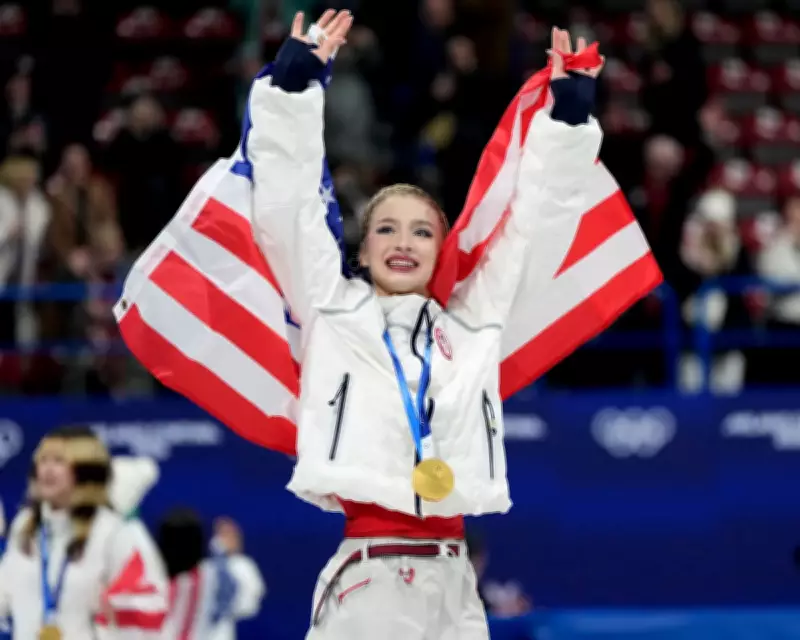
US figure skater Amber Glenn announced on Tuesday that she has successfully resolved copyright concerns with Canadian recording artist Seb McKinnon, following a brief dispute over the use of his music in her Olympic free skate program. The resolution closes what both parties have described as a misunderstanding rather than a conflict, occurring during the Winter Olympics team event where Glenn performed to McKinnon's track The Return.
Complexities of Music Rights in Figure Skating
McKinnon, who releases music under the name CLANN, initially expressed surprise on social media after Glenn's performance, questioning whether proper clearance had been obtained for his composition. However, he later congratulated the skater on her team gold medal achievement, and both individuals have since moved forward positively. Glenn stated, "The issue of music rights can be complex and confusing, and it seems like there was a hiccup somewhere in that process. I'm glad we were able to clear things up and I'm excited about the possibility of collaborating with Seb moving forward."
This incident underscores the growing complexity of music licensing in figure skating, where athletes increasingly face last-minute complications as the sport shifts toward contemporary music selections. Glenn has performed to The Return for approximately two seasons without prior objections, making the Olympic situation particularly unexpected. Skaters typically rely on their national federations, event organizers, and clearance processes recommended by governing bodies to secure permissions, but breakdowns can still occur.

Broader Trend of Licensing Challenges
The episode reflects a broader trend across international figure skating competitions. Just last week, Spanish skater Tomàs-Llorenç Guarino Sabaté encountered a similar scare when music from the Minions franchise used in his short program was initially not cleared for Olympic competition. Following public support from fans and direct outreach, Universal Studios ultimately granted permission, allowing him to maintain a routine developed over months of preparation.
Officials note that these challenges stem from structural gaps within the music industry, where rights are often fragmented across multiple holders and platforms. This fragmentation complicates clearance processes across global broadcast and streaming markets, creating potential obstacles for athletes competing on the world stage.
Glenn's Olympic Journey Beyond the Ice
For Glenn, the copyright dispute has unfolded during an Olympics where she has also become an unexpected focal point off the ice. The three-time US champion has spoken openly about LGBTQ+ rights and revealed she temporarily stepped back from social media after receiving what she described as a "scary amount" of hate messages and threats. These followed pre-Games comments about pressures facing queer communities in the current US political climate.
Despite describing the backlash as "disappointing," Glenn has continued skating with visible LGBTQ+ symbols on her team gear. She views her platform as part of the responsibility that comes with Olympic visibility, stating she sees it as an opportunity to advocate for important social issues while competing at the highest level of her sport.
Focus on Upcoming Competition
Glenn is scheduled to compete next in the women's singles event, beginning with the short program on 17 February. She emphasized that her focus remains firmly on performance rather than controversy, aiming to channel her energy into her skating as she prepares for this crucial phase of the Olympic competition. The resolution of the music rights issue allows her to concentrate fully on her athletic objectives while maintaining positive relationships within the artistic community.