BBC Ends Nearly Century-Long Boat Race Broadcast Tradition
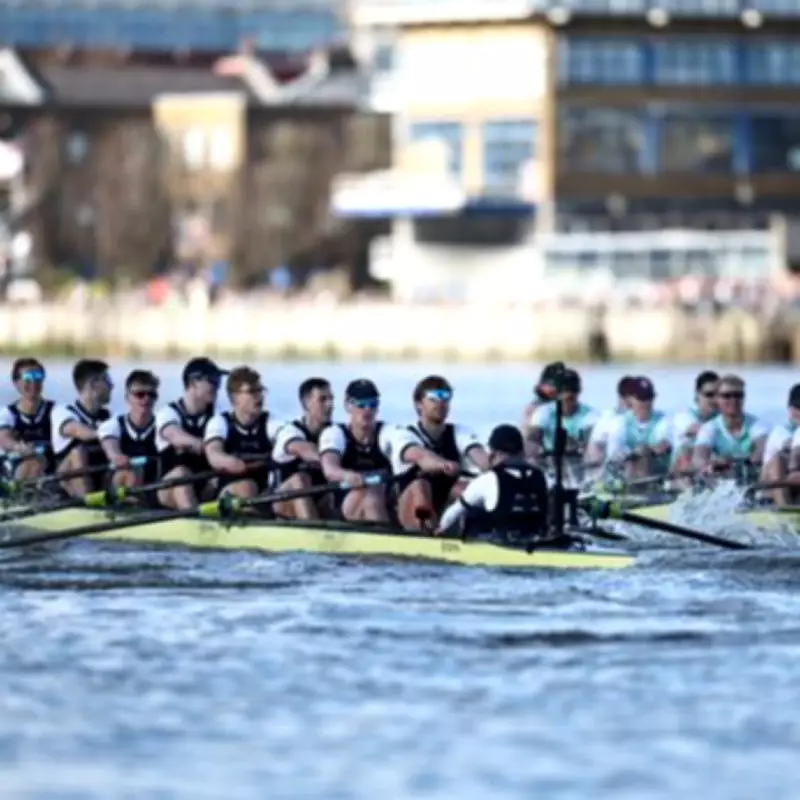
In a significant shift for British sports broadcasting, the BBC will not air the Boat Race on television or radio this spring for the first time in nearly a century. This historic change comes after the broadcaster lost the rights to the iconic rowing event, with Channel 4 securing the television rights and Times Radio taking over radio coverage.
New Broadcast Partners Take the Helm
Channel 4 acquired the television rights for the Boat Race in a five-year deal six months ago, while Times Radio has now picked up the radio rights until 2028. The BBC had been the home of the annual rowing race between Oxford University and Cambridge University on the Thames since the mid-1920s, when it first broadcast the event on radio. The race was first televised in 1938, making this year's absence particularly notable.
This year's race, scheduled for April 4, will mark the first time the BBC does not air the event in any format. While there have been previous gaps in the BBC's dominance, such as ITV showing the race from 2005 to 2009 and LBC holding radio rights during that period, the broadcaster has always maintained some presence until now.

Controversial Decision Behind the Loss
The change follows reports that the BBC's director of sport, Alex Kay-Jelski, showed little enthusiasm for renewing the rights, reportedly considering the race 'elitist'. Times Radio has acquired the rights for free, agreeing to promote the event across News UK's network in exchange.
The Boat Race attracted 2.6 million viewers last year, but the BBC has seen declining viewing figures in recent years alongside increasing production costs. Kay-Jelski, who took over BBC Sport in 2024, has overseen a strategic shift in the corporation's approach to sports broadcasting.
Broader Implications for BBC Sport
Under Kay-Jelski's leadership, the BBC has lost several major sporting events, including the Commonwealth Games alongside the Boat Race. There are reportedly internal doubts about the broadcaster's continued coverage of Wimbledon and the Six Nations, with Kay-Jelski emphasizing that the BBC doesn't necessarily need live sport to remain relevant.
"You can still be relevant, you can still matter if you don't show the sport. No one out there can show it all," Kay-Jelski said at the Financial Times's Business of Football Summit last month. He highlighted the changing media landscape, where audiences increasingly consume content on mobile devices, putting the BBC in competition with a wider range of digital content.
Chair of The Boat Race Company, Siobhan Cassidy, expressed enthusiasm for the new partnership: "We're delighted to announce Times Radio as our new radio partner on a multi-year deal. The Boat Race prides itself on heritage, tradition, precision and quality, and these are values shared by the Times Radio team and their listeners."
The loss of the Boat Rights represents a notable departure from tradition for the BBC, reflecting broader changes in sports broadcasting strategy and audience consumption patterns in the digital age.