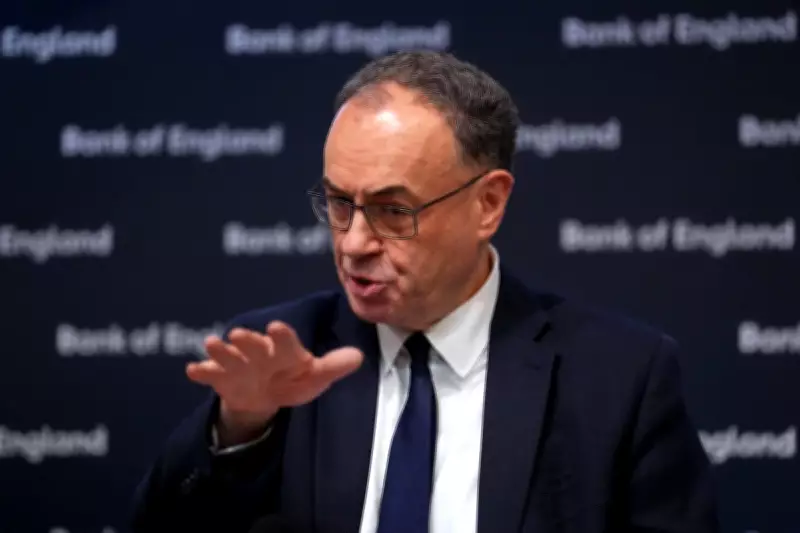
The Bank of England's governor has warned that potential supermarket price controls are "not sustainable" in the long run. Andrew Bailey told MPs on the Treasury Committee that while UK interest rates may have been cut twice this year and inflation may have fallen to its 2 per cent target level last month, the energy shock from the Iran war is keeping the cost of living higher.
Conflict Impact on Economy
The governor described the Iran conflict as the "dominating change in the landscape" for the economy. His comments follow reports that the government had urged retailers to limit costs on staples such as eggs, bread, and milk, potentially in exchange for eased regulations.
Bailey stated: "If you start doing it as a matter of course then effectively you're artificially moving prices relative to costs and that's not a sustainable thing in the long run. There may be benefits to doing it in the short term but it does need to be thought through."

Government Denies Price Cap Plans
A government minister denied plans for price caps but confirmed that it is holding talks with supermarkets amid concerns over rising inflation. Supermarket executives dismissed suggestions of price caps on essential food items as "completely preposterous" and "idiotic". M&S boss Stuart Machin said he had received "no direct communication" regarding the reported proposals, adding: "It's completely preposterous. I don't think the government should be trying to run business."
Interest Rates and Inflation
Interest rates were held at 3.75 per cent last month, which the governor said was sensible due to the "unpredictability of events in the Middle East". Mr Bailey added: "It was a reasonable expectation prior to this all happening that we would probably cut once or twice this year, the market was pricing that. The market isn't pricing that now and effectively that was taken off the table. Effectively we've tightened policy because we've removed the expectation of a cut, before you start talking about what happens next."
Mr Bailey told the committee that two key considerations for the Bank were how long the conflict goes on for, and to assess the potential "lasting damage that has been done to the energy supply infrastructure". Official figures published on Wednesday showed Consumer Prices Index (CPI) inflation fell to 2.8 per cent in April, from 3.3 per cent in March.
Food Price Inflation and Energy Bills
Mr Bailey said the data showed "surprisingly benign food price inflation… which was a little bit contrary to what we were expecting". But he cautioned over higher oil prices having a "delayed reaction" on energy bills, adding: "The inflation number we had this morning reflected the fact the Ofgem cap came down in April – we know it's going to go up in July."