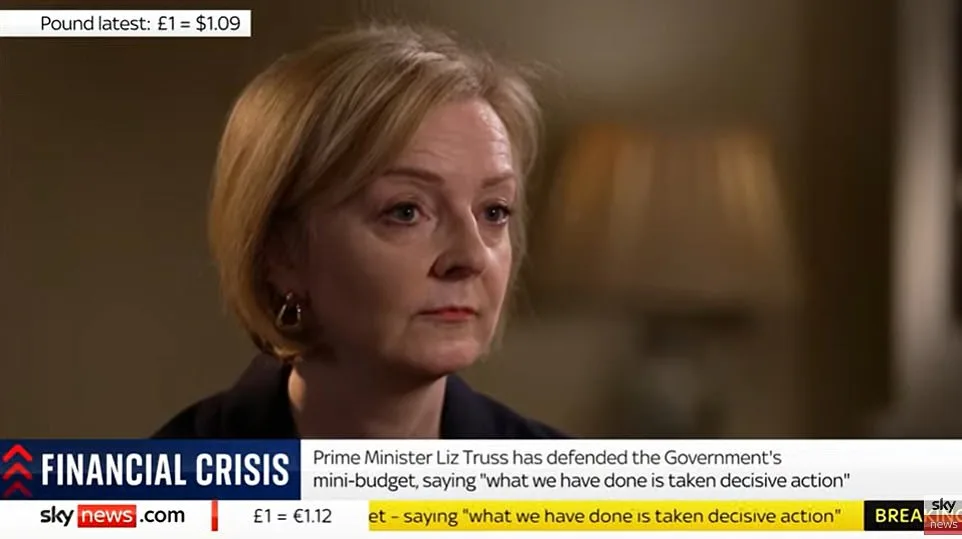
Prime Minister Liz Truss has defended her low-tax economic agenda following a week of market instability triggered by Chancellor Kwasi Kwarteng's mini-Budget. In a series of BBC local radio interviews, Truss insisted her policies were the 'right plan' to boost growth and tackle inflation, despite criticism that they favour the wealthy.
The pound fell to a record low against the dollar, mortgage costs surged, and the Bank of England intervened with £45 billion to stabilise bond markets. Truss acknowledged the challenges but argued that inaction would lead to recession and job losses. 'It's not fair to have a recession,' she told BBC Radio Nottingham.
Ministers are reportedly considering billions in spending cuts to reassure markets, while a study by the Tony Blair Institute and Oxford Economics suggests the tax cuts will only boost the economy by 0.4% by 2027. Truss faced tough questions from callers, including one who asked, 'Where have you been?' She replied that urgent action was needed to cap energy bills at an average of £2,500 this winter.

Despite the backlash, Truss ruled out reversing the mini-Budget measures, stating, 'I don't accept the premise of the question.' The government has also lifted the moratorium on fracking, sparking further debate.