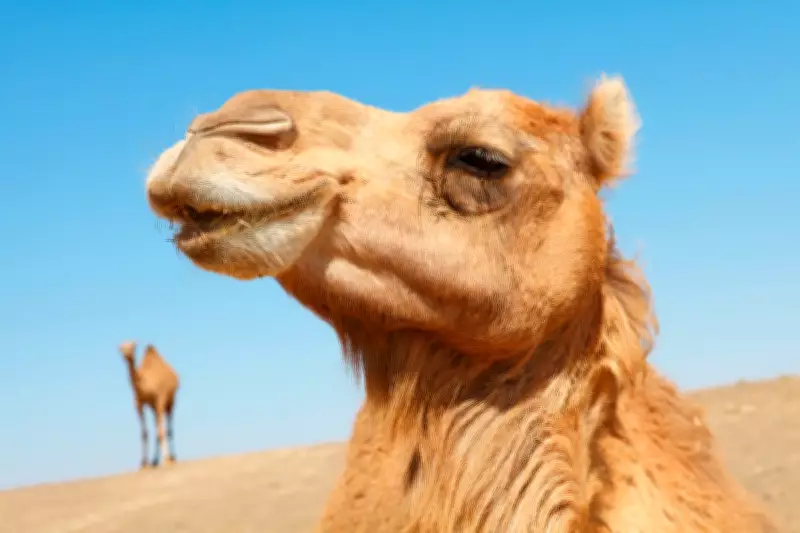
Omani Camel Beauty Festival Thrown into Turmoil by Widespread Cosmetic Cheating
A prestigious camel beauty pageant in Oman has been plunged into disarray following the dramatic disqualification of twenty competitors. The scandal erupted after veterinary inspectors uncovered that owners had illicitly used a range of cosmetic procedures, including injectable fillers, Botox, and silicone wax, to artificially enhance the animals' physical features.
Uncovering the Elaborate Enhancement Scheme
The 2026 Camel Beauty Show Festival in Al Musanaa, Oman, was rocked last month when officials discovered that numerous camels had undergone secret treatments. According to reports from Vice and Forbes, the banned enhancements included hyaluronic acid injections to create pouty lips, dermal fillers applied around the nose area, Botox injections to soften facial features, and silicone wax used to inflate and enlarge the camels' iconic humps.
Festival organizers have issued a stern statement vowing to crack down on "all acts of tampering and deception in the beautification of camels" and promising to impose "strict penalties on manipulators" in future competitions. The camels are traditionally judged on four critical attributes: their coat quality, neck structure, head shape, and hump size and definition. Winning animals typically boast the shiniest hair, a long and muscular neck, lengthy eyelashes, plump lips, and two perfectly formed, plump humps.

High Stakes and Historical Precedents
In the multi-million dollar camel breeding industry, pageants are taken with extreme seriousness due to the substantial rewards at stake. Victory brings not only a massive prize pot but also significant investment opportunities, increased tourism revenue, and a dramatic boost in the camel's market value when sold. The King Abdulaziz Camel Festival in Saudi Arabia, often dubbed the Mondial Miss Camel Pageant, represents the world's largest such event and typically offers over $60 million in prize money.
This type of cosmetic cheating is not unprecedented. In 2018, twelve camels were disqualified from the Saudi festival for receiving Botox injections from horse breeders. Similarly, in 2021, forty camels were barred for allegedly having stretched noses. Additional methods previously uncovered include the use of rubber bands to restrict blood flow and artificially enlarge body parts, as reported by the BBC.
Advanced Detection Methods and Animal Welfare Concerns
In response to these recurring scandals, judges have implemented sophisticated technology to detect tampering. All contestants now undergo a rigorous inspection process, beginning in a hall where specialists examine their external appearance and movements. This is followed by X-rays and other comprehensive tests on their heads, necks, and torsos to identify any artificial enhancements.
The procedures have sparked significant controversy and condemnation from animal rights activists and veterinary professionals, who label them as clear animal cruelty. The treatments can cause severe pain, infections, bruising, and other life-threatening side effects. Silicone injections pose particular risks, as the substance can migrate to other parts of the body and lead to serious medical complications. A 2021 Saudi Press Agency statement, quoted by The Guardian, emphasized the commitment to halting such deceptive practices, reflecting growing awareness of both ethical and welfare issues in the competitive camel breeding world.