Curling's Olympic Cheating Scandal Tests Sport's 'Spirit' as It Moves Forward
A cheating claim that violated the 'spirit of curling' erupted at the Winter Olympics, sending shockwaves through a sport renowned for its etiquette, manners, and friendliness. Global interest in curling surged dramatically over the past week as this controversy unfolded, highlighting tensions in a 500-year-old game slowly embracing professionalism.
The Controversy Unfolds
First came the expletives, then the allegations, followed by a media glare and hilarious memes. The scandal centered on an illegal double-touch by Canada's Marc Kennedy, who poked a granite stone with his outstretched finger after releasing it down the ice. Sweden cried foul over this rule infringement, questioning whether the core values of curling had been broken.
After a wild few days featuring verbal jousting and a brief rule change, things have calmed down as medal games approach. "It's the Olympics," said Canadian curler Ben Hebert, whose team was central to the controversy. "It'll be over in two weeks and everyone will go back to covering curling in four years."

Challenges to Tradition
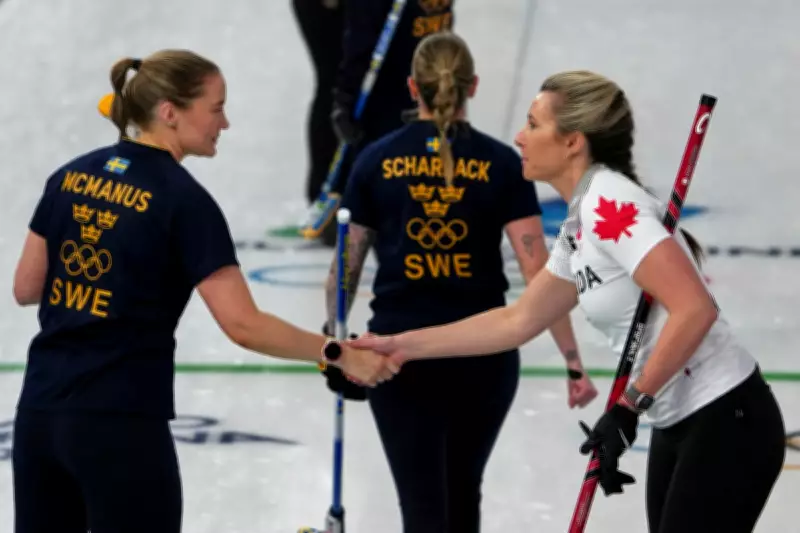
Curling has long been a tight-knit sport where players call their own fouls, shake hands post-match, and often share beers afterwards. The Swedish and Canadian players, while rivals, are typically friendly, raising questions about why this wasn't handled privately. "That's where I think the spirit of curling is in a little bit of trouble," Kennedy admitted, attributing it to the quest for medals. "But it's OK. It's all about the evolution of the sport. There's opportunity here as well, right? For the sport to really figure it out as we all go forward."
However, the top of the sport appears unprepared for such scrutiny. Unlike soccer, cricket, or the NFL, curling lacks video replays, so officials cannot re-umpire decisions like Kennedy's hog line violation. In response, authorities initially stationed umpires at the hog line but reverted to players policing themselves, a move some see as sweeping the issue under the rug.
Balancing Professionalism and Integrity
World Curling President Beau Welling emphasized the sport's culture, stating, "We're trying to spread the word about our culture, and our culture is one based on integrity, and honor, and friendship. We live by this code — the spirit of curling — where you're expected to have honorable conduct on ice, but also off ice. Obviously, this has been tested a little bit this week. But, fundamentally, that's who we are. And I really don't see that changing."
Yet, with the Olympics showcasing curling to its largest audience, calls for professionalization are growing. Canada Curling CEO Nolan Thiessen argued, "Curling needs to professionalize a little bit. If we want to be where we want to be as a sport, there's some steps we have to take, and some give and take probably. You know, having officials making subjective calls ... there's a lot of sports that have that. And we probably need to get there as opposed to, 'I think you did this' and 'Well, I don't think I did.' We're trying to find the right balance as a sport."
Moving Forward
As the show goes on, Sweden's defending champion men's team has been eliminated, with skip Niklas Edin reflecting on a "horrible week" and admitting, "We maybe should have done something different and could have dealt with it differently." Plenty of curling traditionalists will no doubt agree, but the saga has sparked crucial conversations about the sport's future in a high-stakes, global arena.