England Footballers Voice Concerns as Political Issues Loom Over 2026 World Cup
England will head to the World Cup this summer with the tournament overshadowed by political controversies, and players have made it clear they do not wish to be used as spokespeople for non-footballing matters.
Political Tensions Surrounding the Tournament
The 2026 World Cup in North America is already attracting significant attention for issues beyond the pitch, creating moral dilemmas for participating nations. Concerns have been raised over Donald Trump's travel bans, immigration crackdowns, and military actions against countries like Iran and Venezuela, which cast doubt on their involvement. This environment forces teams to navigate complex political landscapes while focusing on their sporting objectives.
Player Reluctance to Engage in Political Discourse
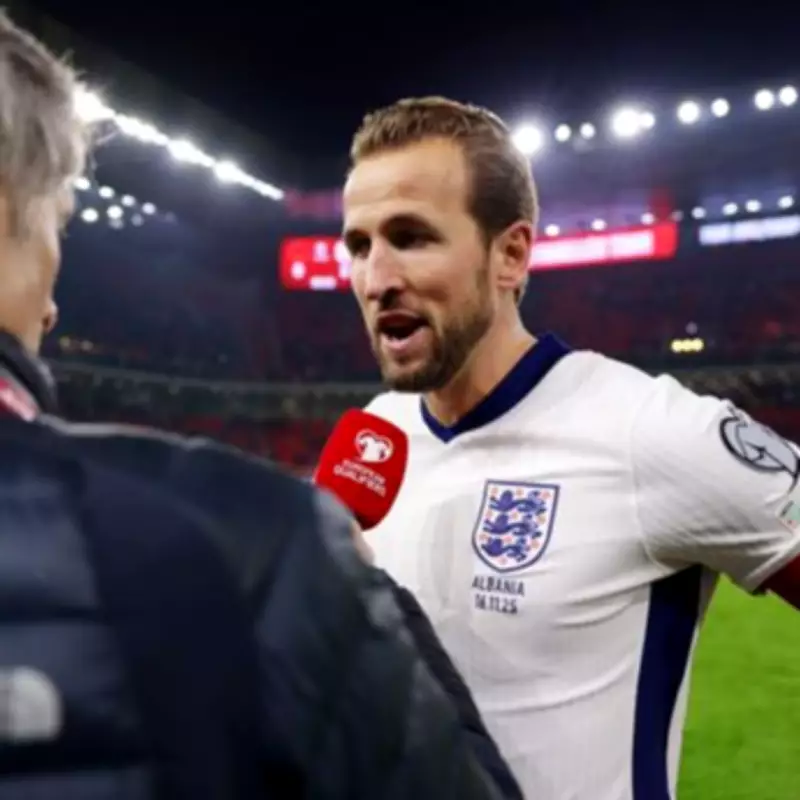
Leading figures from each team, including England, have historically been pressured to comment on topics unrelated to football, placing them in difficult positions. PFA chief Maheta Molango has revealed that players, such as Harry Kane, have approached him to express their frustration at being expected to act as spokespeople for their countries. Molango emphasised that while players are socially conscious and understand their platform's potential for positive influence, they find it unfair to shoulder responsibilities that should fall to governments or governing bodies.

Past Experiences and Calls for Change
Molango highlighted past instances, such as during the Qatar World Cup, where players felt "hung out to dry" after being asked to address political issues. He argued that players should not be turned into political spokespeople and called on government officials to handle such questions directly, rather than shifting the burden onto athletes. This stance reflects a growing desire among players to focus on their sport without external pressures.
Historical Context of Political Pressures on England
Several England stars and former manager Gareth Southgate were compelled to discuss political issues at the previous World Cup in Qatar, where human rights records and attitudes towards the LGBTQ community were criticised. For example, the team faced questions about whether their captain would wear a rainbow armband amid threats of disciplinary action. Earlier, during Euro 2020, England's decision to take the knee led to clashes with Members of Parliament, illustrating the ongoing tension between sports and politics.
In summary, as the 2026 World Cup approaches, England players are advocating for a clearer separation between football and political discourse, urging authorities to take the lead in addressing contentious issues.