

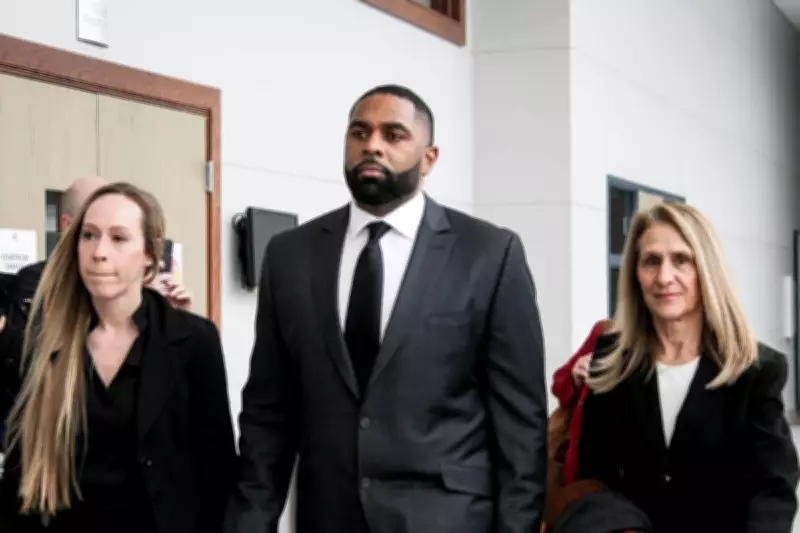
Former Michigan football coach Sherrone Moore has entered a plea agreement to resolve a criminal case that emerged directly after his dismissal from the university. Moore pleaded no contest on Friday to two misdemeanor charges, bringing an end to legal proceedings that initially included more serious allegations.
Details of the Plea Agreement
The plea deal was finalized on the same day a judge was scheduled to review a challenge to Moore's arrest from December. Originally, Moore faced three charges, with the most severe being a felony count of home invasion. In exchange for his no contest plea, prosecutors dropped the home invasion charge along with the other initial allegations.
Moore instead pleaded no contest to the reduced charges of trespassing and malicious use of a telecommunications device. This resolution avoids a potentially lengthy trial and reduces the legal consequences for the former coach.

Background of the Case
The criminal case stems from events that occurred shortly after Moore was fired by the University of Michigan. The university terminated Moore's employment due to an inappropriate relationship he had with his executive assistant. According to Assistant Prosecutor Katie Rezmierski, the assistant ended the affair just days before Moore's dismissal and cooperated fully with the university's internal investigation.
Authorities report that after losing his position, Moore confronted the woman at her apartment. During this confrontation, he allegedly blamed her for his firing and made concerning statements, including threats to harm himself with butter knives that were present in her residence.
Legal and Professional Implications
The resolution of this case marks a significant development in what has been a tumultuous period for the former football coach. By pleading no contest to misdemeanor charges rather than facing felony prosecution, Moore avoids the most severe criminal penalties while still accepting responsibility for his actions.
The university's decision to dismiss Moore was based solely on the inappropriate workplace relationship, which violated university policies regarding staff conduct. The subsequent criminal case developed independently from the employment matter, though both stemmed from the same underlying circumstances involving Moore's relationship with his assistant.
This case highlights the complex intersection of professional conduct standards and potential criminal liability when workplace relationships deteriorate. The resolution through a plea agreement brings closure to the legal aspects of this situation, though the professional consequences for Moore's coaching career remain substantial.






