

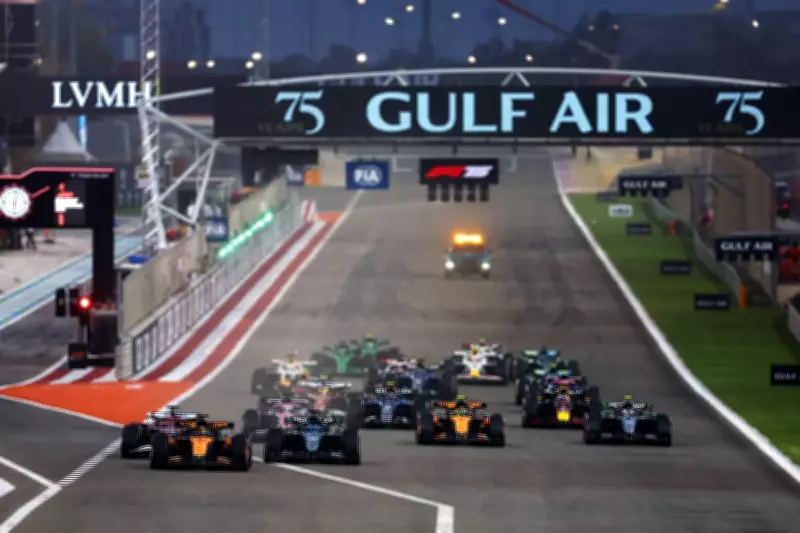
Formula 1 is set to suffer a significant financial blow, with an estimated loss of £100 million, following the cancellation of the Bahrain and Saudi Arabian Grands Prix next month. The decision comes in response to escalating conflict in the Middle East, where Iranian airstrikes have targeted locations in Bahrain and Saudi Arabia, prompting safety concerns and logistical disruptions.
Impact on the 2026 F1 Season
The cancellations affect rounds four and five of the 2026 Formula 1 campaign, originally scheduled for 12 April in Bahrain and 19 April in Saudi Arabia. These races were called off on the morning of the Chinese Grand Prix, as major airports in the region remain closed and a hotel in Manama, Bahrain, which typically accommodates F1 personnel, was among the targets. The sport is unlikely to replace these events in 2026, despite considerations for European alternatives, due to the complexities of last-minute arrangements.
Financial Consequences for Formula 1
The financial impact stems from the loss of substantial hosting fees paid by the circuits. Saudi Arabia is understood to pay approximately £55 million ($72 million), matching Qatar as the highest contributor, while Bahrain contributes an estimated £45 million ($60 million) for hosting rights. Although the overall calendar will still feature 22 races, maintaining a historically extensive schedule, the absence of these Middle Eastern events will notably reduce revenues.

Both Bahrain and Saudi Arabia hold deep ties to Formula 1 beyond hosting fees. Bahrain owns the McLaren team, and Saudi Arabia is a prominent sponsor and investor through state-owned oil company Aramco. The precedent for such cancellations exists, as the 2011 Bahrain Grand Prix was called off due to local unrest and not rescheduled after team objections to a late October date. Notably, Bahrain paid its hosting fee that year regardless, but it remains uncertain if similar arrangements will be made for the 2026 cancellations.
Wider Effects on Motorsport
The conflict has also impacted other motorsport series. MotoGP's Qatar round at Lusail, scheduled for 12 April, faces significant difficulties and is unlikely to be rescheduled. Additionally, the World Endurance Championship (WEC) event in Doha, originally set for 26-28 March, has been postponed and rescheduled for October. These disruptions highlight the broader challenges facing international sporting events in the region amid ongoing geopolitical tensions.
As Formula 1 navigates this financial setback, the focus shifts to managing the 2026 season with a reduced calendar, while the motorsport community awaits further developments on potential fee payments and future race security in the Middle East.






