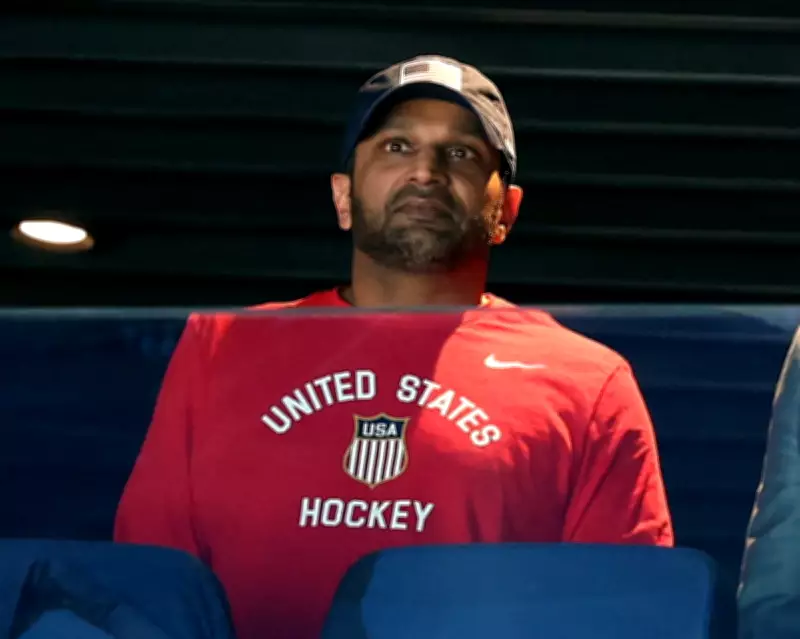
Golden Olympic Hockey Triumph Overshadowed by Political Controversy
The United States men's and women's ice hockey teams achieved a remarkable double gold medal victory at the Winter Olympics this past week, creating a wave of national pride and celebration. However, the warm, unifying feelings surrounding these athletic triumphs proved remarkably short-lived as political controversies quickly engulfed both teams.
Miracle on Ice Anniversary Contrasts with Modern Political Reality
The men's gold-medal matchup against Canada occurred on the 46th anniversary of the legendary "Miracle on Ice," when American college amateurs famously defeated the Soviet Union during the Cold War era. Unlike that historic moment symbolizing democratic ideals against authoritarianism, Sunday's game unfolded against a backdrop of complex political tensions.
Despite previous encounters marked by booing of the American anthem and immediate on-ice fighting, the Olympic final demonstrated exceptional sportsmanship. American hero Jack Hughes, who scored the winning goal, displayed graciousness in victory, mentioning inspiration from women's team star Megan Keller. Hughes further emphasized hockey's unifying potential when his video supporting LGBTQ rights gained widespread attention.

FBI Director's Presence Creates Ethical Questions
The celebratory atmosphere deteriorated when FBI Director Kash Patel participated in team celebrations. Patel's presence raised significant ethical concerns, particularly given his involvement in controversial investigations and personnel decisions. All US sports personnel undergo mandatory SafeSport training emphasizing prompt response to abuse allegations, making Patel's celebratory appearance problematic.
Patel has faced previous criticism regarding travel expenditures and personnel management, including allegations about dismissing an employee for displaying a Pride flag. While his spokesperson claimed official business in Italy, critics argued domestic responsibilities should have taken priority over hockey celebrations. Several players, including Hughes, posed for photographs with the controversial director.
White House Invitation Creates Political Dilemma
The political complications intensified when former President Donald Trump invited the men's team to his State of the Union address. This placed athletes in an impossible position: declining would anger Trump's loyal supporters, while accepting would alienate other segments of the population. Trump exacerbated tensions by joking about inviting the women's team to avoid impeachment.
Many men's team players laughed at Trump's remarks, though some expressed support for recognizing the women's team. The women's team declined the invitation professionally, citing academic and professional commitments as their Professional Women's Hockey League season resumed shortly afterward. The men faced no similar schedule conflicts beyond NHL games beginning the following day.
Historical Context of Sports and Political Entanglements
White House invitations have grown increasingly contentious throughout recent decades. Notable examples include Boston Bruins goalie Tim Thomas declining Barack Obama's invitation over government size concerns, and multiple teams refusing invitations during Trump's first term. Washington Capitals players demonstrated divided responses to their 2018 Stanley Cup celebration invitation, with some criticizing Trump's rhetoric as racist and sexist.
As the United States prepares to co-host the men's soccer World Cup this summer, avoiding political entanglements becomes increasingly challenging. In today's polarized climate, remaining silent on political matters may be interpreted as complicity rather than neutrality.
Uncertain Participation and Future Implications
The ultimate attendance at the State of the Union address remains uncertain, with potential backlash and professional commitments possibly reducing participation. Some players may face pressure to support the invitation for team unity, while others might recognize the implicit endorsement such attendance represents.

This situation highlights the complex intersection of sports, politics, and national identity in contemporary America, demonstrating how athletic achievements can quickly become entangled with broader political controversies that reflect the nation's deep divisions.