The Strange Reality of Watching Outlawed Greyhound Racing on TV
It felt distinctly peculiar to tune into Sky Sports Racing ahead of the Dubai World Cup meeting and the start of the British Flat season at Doncaster yesterday afternoon. The preview of Saturday's cards was interspersed in the morning with a smattering of greyhound races from Romford. Since a couple of weeks ago, greyhound racing has been banned in Wales and Scotland, making it a surreal experience to watch an outlawed product being openly enjoyed and discussed on a major broadcaster.
Diverging Paths: England and Ireland vs. Scotland and Wales
In England and Ireland, greyhound racing remains a reasonably strong product, and its regular broadcast on racing channels, especially when horse racing action is light, serves as a reminder of the deep links between the two sports. The British Horseracing Authority was quick to distance itself from the bans in Wales and Scotland. A BHA spokesperson told the Racing Post: 'We are aware of decisions made by politicians in Scotland and Wales to ban greyhound racing, following the respective governments' support for the bills laid in the Scottish Parliament and Senedd.' They added that both governments have stressed there is no connection to the horseracing industry.
This stance is reasonable, but some were surprised by the level of distance racing's governing body put between their sport and greyhounds. The culture is deeper in England and Ireland than in Scotland and Wales, where greyhound racing has seen a rapid decline. Over the last two decades, track after track shut down, not necessarily for welfare reasons, but because people stopped attending and caring.

The Political Facade of the Ban
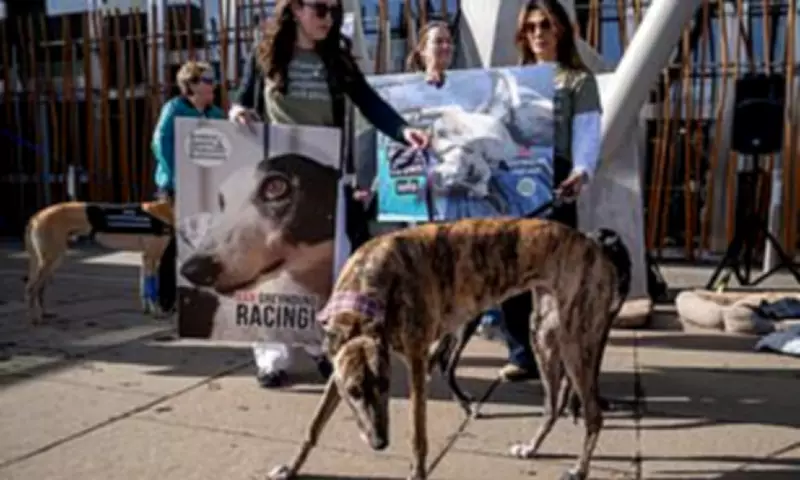
The end of greyhound racing arrived due to apathy, not protests from 'the antis.' The banning has been portrayed as a seismic political victory by the Green Party on the steps of Holyrood, but in reality, it was an easy target with little opposition. The Scottish National Party essentially paved the way by not objecting, showing that the Scottish Parliament can push legislation through when there is minimal pushback.
Essentially, greyhound racing became an easy pick for soft, fleeting political power in Wales and Scotland. It ticked all the boxes for devolved administrations: no opposition, an issue few care about, and a chance to appear proactive. However, the legislation is largely meaningless, as trainers can simply cross borders to continue racing, such as at Dunstall Park in Newcastle.
Apathy: The Real Threat to Racing
This kind of cancel culture and banning on a political whim should make racing very wary. The vocal minority on social media, akin to ill-informed football fans, are occasionally listened to, but the real danger lies in the silent majority losing interest. Horse racing retains popularity as Britain's second-most viewed spectator sport, with huge cultural and economic importance, supporting thousands of jobs nationwide.
Yet, it was not long ago that greyhound racing was also a popular working-class pursuit in Wales and Scotland. For example, the old dog track at Whitletts in Ayr shut down in 2011 due to neglect, becoming an eyesore that cost £440,000 to restore before being demolished. Similar stories have unfolded across Scotland over the past 15-20 years.
Lessons for Horse Racing
So, that's how things die: not because of protesters, but due to a slow, gradual lack of interest when the product stops being financially viable or relevant. Horse racing must guard against this now. When the Grand National gets underway, it's not the loud voices on social media that should worry the sport, but the moment the silent majority simply stops caring. Apathy sets in, and 'the antis' pounce to claim victory largely unopposed. The template is there, and racing should be vigilant, or it may decline sooner than anticipated.

Performance of the Week: Dubai World Cup Highlights
Despite turmoil in the war-torn Middle East, Dubai World Cup night proceeded without incident. Ombudsman showcased his withering turn of foot once again, winning the Dubai Turf by two lengths as the 2-5 favourite, ridden by William Buick and trained by John and Thady Gosden. This gave owners Godolphin a home winner on the meeting's 30th anniversary. He gets the nod ahead of Calandagan, the French raider who won the Sheema Classic by a length in smooth style, demonstrating top-notch European training.