Readers have responded passionately to Simon Jenkins' recent article in which he labeled HS2 as "the wildest white elephant in British history" and called for the project to be scrapped. The letters, published in the Guardian, reveal a sharp divide over the merits of the high-speed rail project.
Support for HS2: Capacity and Economic Benefits
Deb Carson, head of operations at the High Speed Rail Group, argued that Jenkins' view is shortsighted. He emphasized that the west coast mainline is full, and the UK is heading toward a severe transport bottleneck. While cost and schedule overruns invite scrutiny, they do not invalidate the need for additional rail capacity that will deliver transformational benefits to the north, including vital freight capacity and improved regional connectivity.
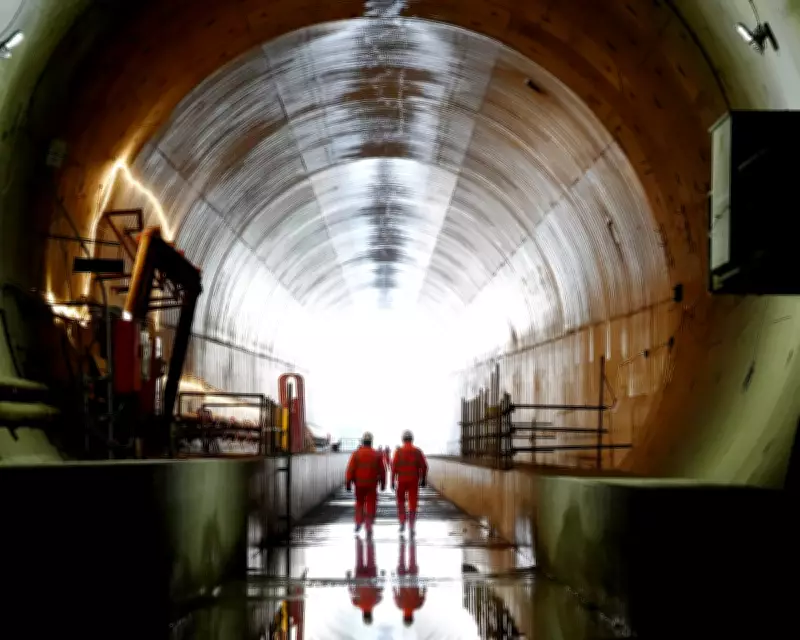
Carson also highlighted that major infrastructure programs create high-quality careers and support the UK supply chain. HS2 is already supporting more than 30,000 jobs, sustaining skilled workers and apprenticeships, and strengthening small and medium-sized enterprises across every region. He noted that the bridges, viaducts, and tunnels delivered so far are a testament to continued engineering excellence.

Furthermore, HS2 is generating £20bn in development benefits across the West Midlands and west London. Abandoning the project now would not save money but would leave taxpayers with a huge bill while delivering none of the benefits. Cancellation costs and the need for an alternative solution to the capacity crisis would impose their own huge bills, leaving the north permanently disadvantaged and signaling that Britain lacks confidence in delivering major infrastructure.
Criticism of HS2 and East West Rail
Stephen Mallinson of Little Eversden, Cambridgeshire, agreed with Jenkins that HS2 is a white elephant but warned that the same culture of institutional denial is metastasizing in other rail projects, such as East West Rail. He pointed out that the Department for Transport continues to resist freedom of information requests regarding the business case for the controversial eastern section route option known as CS3. If the numbers stacked up, they would be published, he argued.
Mallinson noted that the scheme's own figures reportedly show a benefit-cost ratio as low as 0.3, meaning barely 30p of value for every pound spent. Such a project would never survive private sector scrutiny, yet in Whitehall it acquires momentum propelled by consultants and lobbying networks. He called for ministers to think the unthinkable and cancel failing projects, insisting that responsible government requires ruthless reassessment.
Alternative Perspectives on Capacity and Cost
Alex Stewart of London disagreed with Jenkins, stating that while the project has been poorly managed and costly, no alternative is offered to address the full capacity of the west coast mainline. Without HS2, overcrowding will worsen, and fares will have to rise to limit demand, dooming future generations to higher rail fares, worse road congestion, and more crowded trains.
Julian Roberts of Great Bookham, Surrey, recalled a conversation from over 20 years ago when he and a colleague at the Northwest Regional Development Agency questioned the high-cost option to shave only a few minutes off the journey time from Manchester to London. He argued that the high-speed train was a costly vanity project for engineers and politicians and remains so today, supporting Jenkins' call for cancellation.
David Campbell of Portishead, Somerset, echoed this sentiment, noting that HS2 was first mooted in 2009 and may not be operational until 2036–2039. In contrast, a 34-mile bridge and tunnel linking Hong Kong and Macau, started in 2009, was open to the public in 2018. He described the incompetent management and oversight of major UK infrastructure projects as pathetic and highly embarrassing.