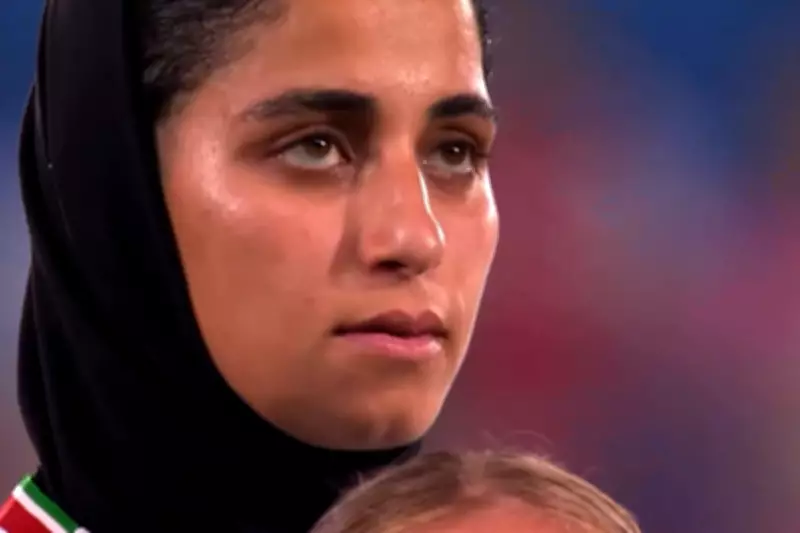
Iran's Women's Football Team Becomes Symbol of Defiance Amid War
In a powerful act of silent protest, the Iranian women's national football team refused to sing their country's national anthem during the AFC Women's Asian Cup tournament in Australia. This gesture, occurring on Tuesday 3 March 2026, immediately drew fierce condemnation from Iranian state media, with broadcasters branding the players as "wartime traitors" and labeling their actions the "pinnacle of dishonour." The protest unfolded against a backdrop of escalating conflict, following US-Israeli strikes that killed Iran's supreme leader Ayatollah Ali Khamenei, with over 1,300 casualties reported in Iran and violence spreading across the Middle East.
Emotional Press Conference and Growing Fears
Striker Sara Didar, visibly emotional, expressed deep concern for Iran at a press conference the following Wednesday. "Obviously we're all concerned and we're sad at what has happened to Iran and our families in Iran," she stated, fighting back tears. "I really hope for our country to have good news ahead. And I hope that my country will be strongly alive." Despite this, the team's subsequent matches saw them singing the anthem enthusiastically, raising questions about external pressures. After their elimination from the tournament on Sunday, protesters chased the team's bus, urging Australia to "save our girls," amid growing fears of reprisals against the players and their families back home.
Asylum Offers and High-Stakes Decisions
The situation intensified when President Donald Trump intervened, offering the team refuge in the United States and warning they would "most likely be killed" if they returned to Iran. Seven players, including captain Zahra Ghanbari and teammates Fatemeh Pasandideh, Zahra Sarbali, Atefeh Ramezanizadeh, and Mona Hamoudi, were granted 12-month humanitarian visas in Australia, with support staff member Zahra Soltan Meshkeh Kar also seeking asylum. However, the decision was fraught with tension; one unnamed player changed her mind at the last minute, reportedly influenced by a voice note from her mother pleading, "Don't come [back to Iran]... they'll kill you." This player eventually departed for Kuala Lumpur, highlighting the immense pressure faced by the women, some as young as 21.

Pressure from Iranian Authorities and Security Concerns
Australian authorities confirmed a "very significant police presence" to support the team, ensuring their choices were made freely with translator assistance. Home Affairs Minister Tony Burke revealed that the player who changed her mind had been "encouraged to contact the Iranian embassy," leading to a relocation due to security risks. Activists described the players as under "a lot of stress," worried about family safety and assets in Iran. Reports indicated that the women were accompanied by Iranian officials who allegedly held families "hostage" and forced players to surrender passports and phones, with large sums of money withheld as leverage for good behavior.
Public Appeals and Ongoing Scrutiny
Iranian officials publicly urged the team to return, with the general prosecutor's office inviting them home "with peace and confidence" and Foreign Minister Esmail Baghaei posting on X, "To Iran's women's football team: don't worry – Iran awaits you with open arms." Yet, upon landing in Kuala Lumpur, the women faced tight security, with some having phones confiscated. The team's coach, Marziyeh Jafari, blamed the "heavy atmosphere" in Australia for the asylum decisions, but criticized the initial media backlash as a "greater mistake." This incident is not the team's first encounter with controversy; Ghanbari was previously banned for a hijab slip in 2024, and players have resigned in protest against regime crackdowns that have killed thousands.

Broader Context of Defiance and Repression
The team's protest resonates within a broader climate of dissent in Iran, where at least 7,000 have died in recent crackdowns. Players like Zahra Alizadeh and Kosar Kamali resigned in February, with their social media posts removed by authorities. An unknown number of arrests have occurred amid suspicions of foreign interference. The women's football team has thus become a potent symbol of resistance, using their platform to highlight the brutal realities of life under a dictatorship, even as they navigate personal risks and international diplomacy.