Iran's World Cup Journey Gains Momentum Amid Diplomatic Efforts
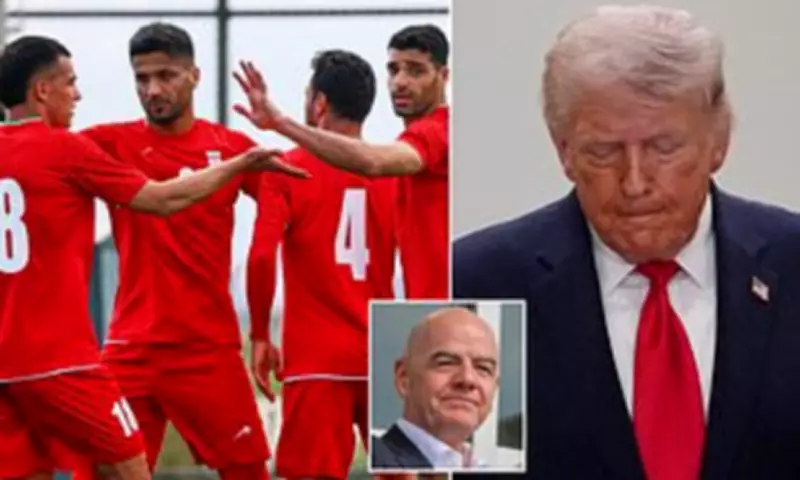
The Iranian national soccer team has experienced a significant breakthrough in its challenging preparations for the upcoming World Cup in the United States, scheduled for June. This development follows a pivotal face-to-face meeting between FIFA President Gianni Infantino and Iranian soccer federation officials, marking the first such encounter since the outbreak of conflict involving the U.S. and Israel on February 28.
Diplomatic Progress and Firm Commitments
The meeting, held in the Turkish coastal resort of Antalya, yielded genuine progress in soccer diplomacy during a particularly fraught period. According to an upbeat readout from the Iranian soccer federation, the discussions focused on practical support for the team's World Cup preparations, with no mention of relocating Iran's matches to Mexico—a topic Infantino has consistently dismissed over the past two weeks.
Infantino offered tangible assistance to help the squad prepare over the next two months, a crucial gesture given that most Iranian players are currently with clubs in the national league, which has been suspended due to the ongoing conflict. This support could include organizing a training camp, potentially in Turkey, in the coming weeks.

Reaffirming the Schedule and Security Measures
Iran's World Cup hosts in Arizona have confirmed they are proceeding with upgrades to training facilities and implementing comprehensive local and federal security plans. This aligns with FIFA's steadfast 'stick to the schedule' mantra, which Infantino has emphasized repeatedly. The FIFA president remained in Antalya to witness Iran's emphatic 5-0 victory over Costa Rica in a warmup friendly, underscoring his personal engagement with the team's progress.
Despite earlier uncertainties and mixed messages regarding U.S. intentions in the conflict, speculation about Iran boycotting the tournament or seeking to move its games from Los Angeles and Seattle to Mexico has largely faded. The Iranian delegation is expected to arrive at its Tucson training camp by June 10, in preparation for the tournament running from June 11 to July 19.
Overcoming Initial Doubts and Political Noise
The outbreak of war immediately cast doubt on Iran's ability and willingness to participate in the World Cup, despite securing qualification in March 2025 as one of Asia's top teams. In early March, Iranian government officials floated various possibilities, including the team being unable to play or travel to the U.S., and suggested FIFA should relocate Iran's matches to co-host Mexico.
Mexican President Claudia Sheinbaum hinted at the possibility of hosting Iran's games without advocating for a late schedule change, while former U.S. President Donald Trump added to the confusion by stating he 'really doesn't care' if Iran attends and questioning player safety, implying risks from regime reprisals at home.
FIFA's Consistent Stance and Practical Support
FIFA has emerged as the most consistent voice throughout this period, with Infantino being the only top soccer official openly addressing the delicate diplomatic situation. He has repeatedly affirmed that Iran will compete in the U.S., the schedule will remain unchanged, and no formal negotiations regarding Mexico have taken place or will occur.
In an Instagram post following the meetings, Infantino promised FIFA's support to provide the team with 'the best possible conditions' for World Cup preparation. The Iranian federation's readout, later confirmed by FIFA as accurate, quoted Infantino saying, 'I am at your service, and if you need help, I will provide it.'
Logistical Challenges and Team Preparations
Iran's World Cup schedule includes a first match against New Zealand on June 15 at SoFi Stadium in Inglewood, followed by games against Belgium and Egypt. FIFA had the option to place the Egypt match in Vancouver but chose to keep all Iran's games within the U.S. Approximately 200,000 tickets have been sold for these matches, and relocating cities would expose FIFA to significant compensation claims from fans, broadcasters, and sponsors.

The team's preparations have been conducted under unusual circumstances. Warmup matches against Nigeria and Costa Rica were moved from Jordan to Antalya due to regional instability and played without fans. During the national anthems in Antalya, Iranian players held up children's backpacks and photos of war victims in protest against U.S.-backed military strikes.
Notably absent from the squad was star striker Sardar Azmoun, reportedly excluded on state orders due to a social media post showing him with political leaders of the United Arab Emirates.
Visa Issues and Forward Momentum
A significant remaining challenge involves visa denials for several Iranian delegation members, including federation president Mehdi Taj, who were barred from entering the U.S. This issue must be resolved ahead of the tournament. Despite these obstacles, Iran appears on track to compete in Arizona, with training camp director Sarah Hanna confirming preparations continue for the team's arrival.
As the World Cup approaches, the next two months remain fraught with uncertainty for the Iranian team and nation. However, through sustained diplomatic engagement and FIFA's unwavering commitment, the path to participation has become clearer, offering a rare moment of sporting normalcy amid broader geopolitical tensions.