Iranian Women Footballers Seek Asylum in Australia After Asian Cup Exit
In a dramatic turn of events, five members of Iran's women's national football team have reportedly been taken into the protection of Australian federal police in Queensland, seeking to remain in the country after their elimination from the Women's Asian Cup. This follows days of mounting speculation about potential asylum claims, intensified by reports that the players had been labelled "traitors" for refusing to sing Iran's national anthem before their opening tournament match last week.
Tense Standoff at Team Hotel
On Monday, a tense standoff unfolded at the Royal Pines hotel on Queensland's Gold Coast, where anti-Iranian regime protesters gathered as the team prepared to board a bus to the airport for their scheduled return flight to Iran. According to reports from news.com, there were "chaotic scenes" in the hotel lobby as regime minders rushed in searching for the missing players.
It was later confirmed that five players had managed to slip away from their minders and were being sheltered by Australian authorities. Hadi Karimi, a Brisbane-based human rights activist, told Nine newspapers that "Police have taken them somewhere safe," describing the development as "great" and "amazing."

Asylum Claims Being Processed
The Department of Home Affairs has reportedly begun processing asylum claims from the women following "secret talks" that commenced after Iran's 2-0 defeat to the Philippines in Robina on Sunday night, which eliminated them from the tournament. Australian Home Affairs Minister Tony Burke flew to Queensland on Monday to speak with the players and is expected to make an official statement on Tuesday regarding the situation.
The players' decision comes amid growing fears for their safety should they return to Iran, particularly after their public display of dissent during the tournament. Before their opening match, the team refused to sing the Iranian national anthem, a gesture that reportedly led to them being called "traitors" by regime supporters.
International Support and Protests
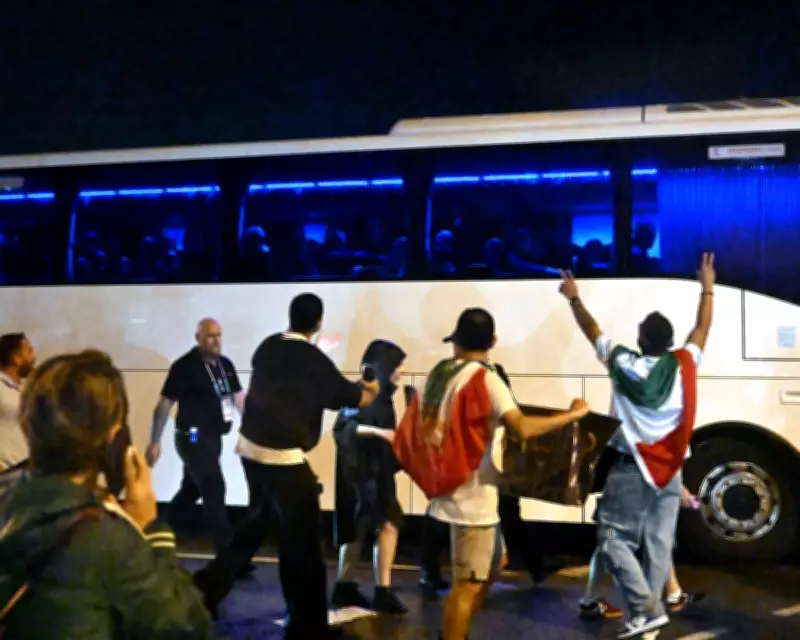
On Sunday night, protesters briefly blocked the team bus leaving the stadium after their final match, waving the international sign for help at the players—a fist closed with thumb underneath the four fingers, then opened again. Some players appeared to attempt returning the gesture, highlighting the tense atmosphere surrounding the team.
Beau Busch, president of the players union Fifpro for Asia, confirmed on Monday that his organisation was in discussions with the Australian government, FIFA, and the Asian Football Confederation to "ensure that every bit of pressure is applied" to protect the players' human rights. Busch emphasised that the players must have "agency around what happens next"—including whether to stay in Australia or leave—and must remain safe both now and if they eventually return to Iran.
"That's going to be really difficult," Busch acknowledged, "but FIFA has a statutory obligation in relation to human rights to ensure that they exert that leverage, and we expect them to do so."
The situation continues to develop as Australian authorities process the asylum claims and international football organisations monitor the players' welfare and safety concerns.