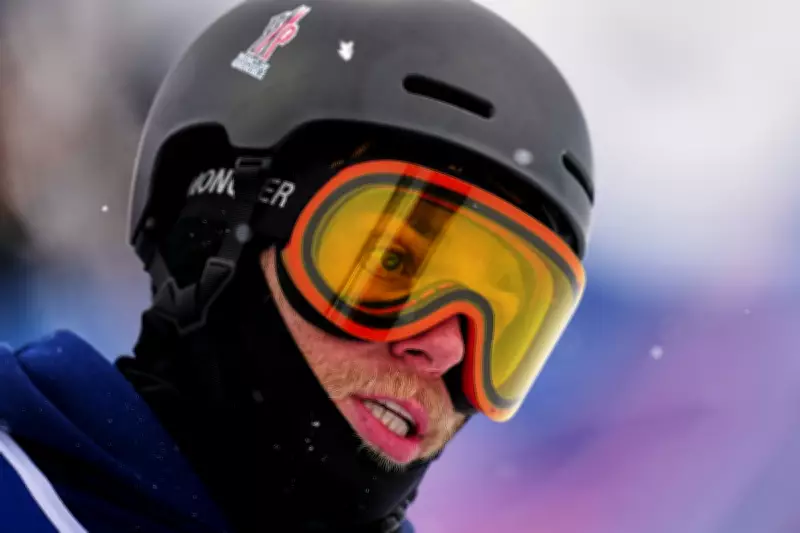
Freestyle skier Gus Kenworthy has declared he "stands by" his outspoken criticism of US Immigration and Customs Enforcement (ICE), despite facing a torrent of online abuse and death threats during the Livigno Olympic Games. The 34-year-old athlete, who self-funded his comeback with an investment of nearly $200,000 after emerging from retirement, finished ninth in the men's freeski halfpipe final on Friday, failing to secure a medal after two falls in the competition.
Olympic Performance and Personal Sacrifice
Kenworthy's journey to his fourth Olympic Games was marked by significant personal and financial commitment. Having previously won a slopestyle silver medal for the USA at the Sochi 2014 Olympics, he switched allegiance to Great Britain after the 2018 Games, citing his Essex birthplace. His return to competition required substantial self-funding, with the skier investing close to $200,000 to qualify for the Livigno Olympics, demonstrating his dedication to the sport amidst challenging circumstances.
Controversial Stance and Online Backlash
The athlete's vocal opposition to ICE has sparked considerable controversy, leading to widespread online abuse and homophobic threats in the run-up to the Games. Kenworthy revealed that he received death threats for his comments, yet remained steadfast in his position. He shared experiences of online harassment with fellow American skier Hunter Hess, who also faced criticism, including from former President Donald Trump, for expressing "mixed emotions" about representing the United States.

Kenworthy's stance highlights the intersection of sports and political activism, as athletes increasingly use their platforms to address social issues. Despite the personal risks and the distraction from his athletic focus, he has maintained his criticism, underscoring the emotional complexity of representing a country while disagreeing with its policies. This situation reflects broader tensions within Olympic sports, where athletes' personal beliefs can collide with their professional commitments.
Impact on Athletic Career and Mental Health
The abuse has not only affected Kenworthy's public image but also potentially impacted his mental preparation for the Games. Homophobic abuse added another layer of difficulty, yet he persevered to compete in the halfpipe final. His performance, though not medal-winning, showcased resilience in the face of adversity, with the ninth-place finish representing a hard-fought achievement under intense scrutiny.
Kenworthy's experience underscores the challenges faced by athletes who speak out on divisive issues, balancing their roles as competitors and advocates. As the Olympics continue to evolve, his story may influence how sports organizations address athlete activism and provide support against online harassment, ensuring that competitors can focus on their events without fear of reprisal.