Ladies Day Makes a Triumphant Return to Cheltenham Festival
The Cheltenham Festival, often hailed as the Olympics of jump racing, kicked off on Tuesday with a notable revival: the return of Ladies Day after a five-year absence. This year's event promises a blend of glamour and glory, marking a shift from the unisex 'Style Wednesday' introduced in recent years.
A Response to Social Trends or Strategic Move?
In 2024, the Jockey Club, which owns the racecourse, faced criticism from some rightwing commentators who labelled the move to a gender-neutral day as woke. Despite persisting with the format last year, organisers have now reinstated Ladies Day, though they deny it was due to pressure. Guy Lavender, chief executive of Cheltenham racecourse, stated, "Our core objective is to get more women and girls coming racing, which we think we can achieve. There is a huge audience of female sports fans that we think will love coming racing."
Historically, women have comprised only about a quarter of racegoers, but early indications suggest a more balanced attendance this year. The revival includes prizes for best-dressed categories and features former jump jockey champion Rachael Blackmore as head of Ladies Day.

Fashion and Inclusivity Take Centre Stage
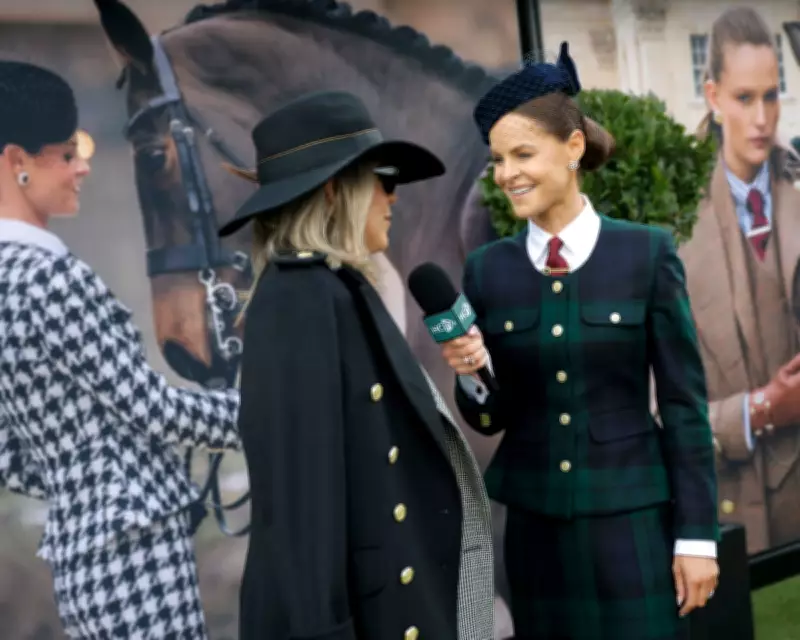
Jade Holland Cooper, founder of the fashion brand Holland Cooper, expressed enthusiasm for the return, noting, "It's the moment in the week when everyone truly embraces the occasion and dresses up. Cheltenham style is often compared to Ascot or Aintree, but it's actually quite different. It's much more rooted in heritage: beautiful tweeds, strong tailoring and pieces that work with the elements rather than against them."
Sophie Hall, a model and presenter, highlighted the importance of inclusivity, saying, "There have tended to be more men than women at Cheltenham. I think women can sometimes think they don't know much about the racing so can't come. But it should be for everyone." Zoë Gibson, from the Peachy Belts store, added, "Some may ask when is men's day. But it's every day, especially in the Guinness Village. If Ladies Day encourages more women to come to racing, it has to be a good thing."
Debate Over 'Woke' Criticisms and Festival Changes
Jonny Beardsall, a Yorkshire milliner, supported the return of Ladies Day but hoped the festival hadn't bowed to external pressures. "They shouldn't take any notice – be more devil-may-care," he remarked. The festival has also implemented cost-effective measures to enhance accessibility, such as reducing Guinness prices from £7.80 to £7.50 and introducing prosecco at £46 per bottle.
Lavender emphasised the focus on value, stating, "It's not about selling more pints. It's about delivering better value. We know that the festival is hugely popular but we have to get the value proposition right." New amenities like the Retreat area provide affordable shelter for racegoers, reflecting efforts to compete with overseas viewing trends.
As the festival progresses, it serves as a social barometer, blending tradition with modern inclusivity while navigating past controversies. The return of Ladies Day underscores a commitment to broadening the appeal of horse racing in a dynamic sporting landscape.