Major security fears have erupted ahead of the 2026 FIFA World Cup, as violent cartel unrest in Mexico threatens to overshadow preparations for the prestigious tournament. Mexico is scheduled to co-host this summer's global football event alongside the United States and Canada, but the recent death of a notorious drug lord has sparked dangerous protests and raised urgent questions about safety protocols.
Violent Unrest Following Cartel Leader's Death
The security crisis unfolded on Sunday, February 22, 2026, following the death of Nemesio Oseguera Cervantes, the infamous leader of the Jalisco New Generation Cartel (CJNG). Known by his nickname 'El Mencho', Cervantes died after suffering serious injuries during confrontations between his followers and Mexican military forces. His cartel has been responsible for smuggling massive quantities of methamphetamine and fentanyl into the United States.
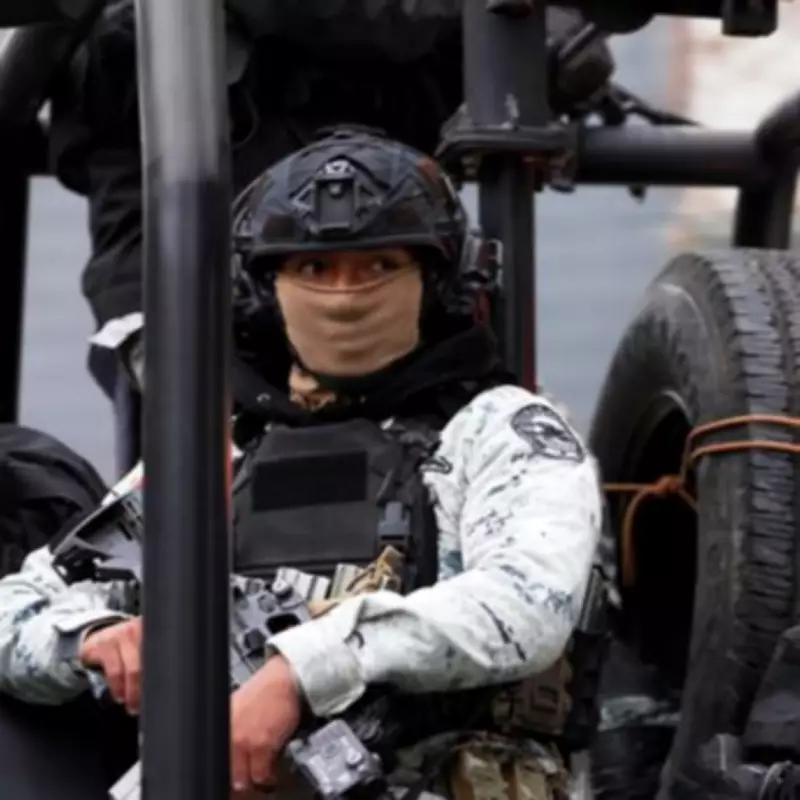
The aftermath saw cartel members engage in widespread violent protests across Mexico, including setting vehicles ablaze, erecting roadblocks, and clashing violently with local security forces. These disturbing scenes have amplified existing concerns about World Cup security, with the tournament scheduled to begin in just a few months.

World Cup Host Cities Face Security Challenges
Mexico is set to host matches in three key cities: Guadalajara, Mexico City, and Monterrey. The tournament kicks off in Mexico City on June 11 with a group stage match between the host nation and South Africa. England could potentially play a last-16 tie in Mexico depending on their performance in the group stages, adding to the international scrutiny of security arrangements.
Andre Villarreal, co-host of the Futbol Asada YouTube channel alongside Christian Galvan, expressed serious doubts about Mexico's preparedness. "I'll be honest, no, I don't think the country is ready," Villarreal stated. "It's not like they're completely not ready and they should cancel it, but here in Guadalajara, they're still fixing up some roads and transportation from the airport to make access to the stadium easier."
Stadium Renovation Delays Compound Concerns
Further complicating matters are ongoing renovations at Estadio Azteca in Mexico City, which has been rebranded as Estadio Banorte. The iconic venue is scheduled to host multiple group stage and knockout round matches, including England's potential last-16 appearance, but construction delays have raised questions about whether it will be fully prepared.
Emilio Azcarraga, president of stadium owners Grupo Ollamani, acknowledged the challenges in an official report to the Mexico Stock Exchange earlier this month. "This first stage, which ends on March 28 with the reopening, is important," Azcarraga explained. "Then we'll continue with the remaining work needed for the World Cup, and after that, because there are many things that, due to the complexity of the project, can't be done."
Specific issues cited include problems with the lighting of columns and the need to clear a large parking lot outside the stadium, which Azcarraga noted would have to be addressed after the tournament concludes. The president emphasized the importance of establishing a consistent maintenance system, something he acknowledged had been lacking in previous years.
Broader Implications for Tournament Safety
The combination of cartel violence and infrastructure challenges creates a perfect storm of security concerns for World Cup organizers. With millions of international visitors expected to descend on Mexican host cities, authorities face mounting pressure to ensure both venue safety and broader public security throughout the tournament period.
The violent protests following El Mencho's death serve as a stark reminder of the ongoing power struggles within Mexico's criminal organizations and their potential to disrupt major international events. As the World Cup approaches, Mexican authorities must balance aggressive security measures with maintaining the festive atmosphere essential to football's premier tournament.