Molly Miller's Coaching Triumph at Arizona State
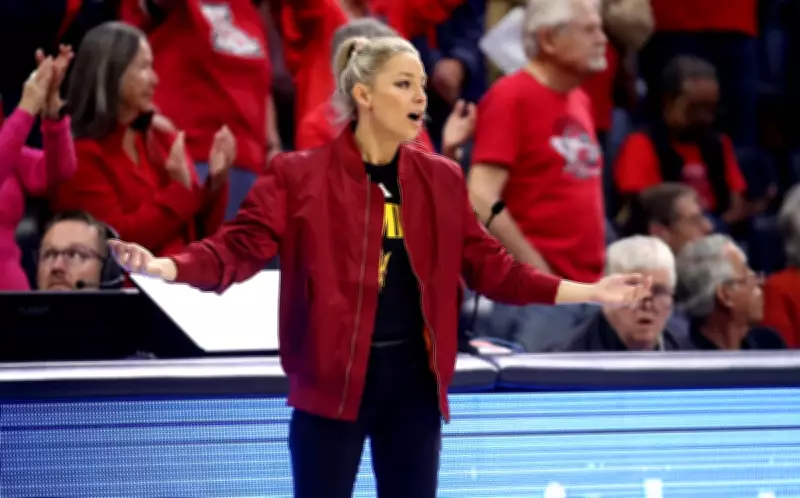
In March 2025, the Arizona State women's basketball program sought a transformative leader to end a prolonged drought. The team had not secured a NCAA Tournament berth or even a winning season since the 2019-20 campaign. Their search concluded with the appointment of Molly Miller, a highly accomplished head coach from Grand Canyon University.
Miller's credentials were impeccable. At Grand Canyon, she orchestrated a historic season, guiding the Lopes to their inaugural NCAA Tournament appearance and an impressive 32–3 record in her final year. This achievement set a new benchmark for the program and solidified her reputation within college basketball circles.
Immediate Impact and Tangible Results
Upon arriving at Arizona State, Miller wasted no time in revitalizing the struggling team. Under her leadership, the Sun Devils compiled a 24-11 record, marking their first winning season in six years. This resurgence culminated in a long-awaited return to the NCAA Tournament, although their journey ended in the First Four round.

Miller's strategic acumen and leadership skills were evident in this remarkable turnaround, which should have been the focal point of media and fan discussions. However, the narrative surrounding her appointment and subsequent success took an unexpected and disheartening detour.
The Distracting Focus on Appearance
Despite her proven track record, much of the online discourse shifted away from Miller's coaching prowess to her physical appearance. Miller, who is blond and petite, fits conventional standards of attractiveness, leading to a pervasive emphasis on her looks rather than her professional achievements.
On social media platforms like TikTok, videos about Miller garnered hundreds of thousands of views, often highlighting her appearance over her accomplishments. One viral post praised her as "one of the best basketball coaches to ever walk the Earth" but quickly added, "she is a beautiful woman." Another video explicitly stated, "Molly Miller isn't going viral because of her coaching," reducing her success to superficial attributes.
Comments sections were flooded with remarks such as "she's so hot" and insinuations that her hiring was based on diversity, equity, and inclusion (DEI) initiatives rather than merit. This pattern reflects a broader, troubling trend in women's sports, where female athletes and coaches are frequently evaluated through the lens of physical attractiveness.
Historical Context and Systemic Issues
This phenomenon is not new. From the early days of the WNBA, which often marketed players with a "straight girl next door" image intertwined with sexualization, to contemporary instances, women in sports have consistently faced reductive scrutiny. When Miller's achievements are met with qualifiers like "but...," it implies that her merit alone is insufficient, undermining her substantial accomplishments.
The issue extends beyond Miller. High-profile figures like Paige Bueckers, a college basketball player targeted with sexualized TikTok edits, and Taylor Rooks, a sports journalist memefied for her rapport with NBA players, face similar challenges. These women are often denied full credit for their professional merit, with their success repackaged as performances for male consumption.
The Broader Implications for Women in Sports
Misogyny, misogynoir, and objectification create significant barriers for women in sports. Instead of being allowed to thrive, organizations like the NCAA, WNBA, and NWSL contend with pervasive narratives that question women's legitimacy. Online commentary from men often dismisses advocacy for higher salaries by claiming women's leagues are less profitable or entertaining, further obstructing progress.
Women in these spaces are trapped in a cycle of constant negotiation, explanation, and self-validation. They must repeatedly demonstrate their competence rather than simply excelling in their roles. This distraction is intentional, reinforcing narratives that undermine women's rightful place in sports and delay acknowledgment of their capabilities.

Voices of Resistance and Advocacy
Taylor Rooks addressed this dynamic on a recent podcast, forcefully rejecting the notion that her "pretty privilege" secures her interviews. "To minimize somebody's skill or capabilities or talent to the fact that they maybe look good to you is such a disservice to all the work they have put in," Rooks stated. An Emmy nominee with extensive experience in sports media, she highlighted the disrespect inherent in attributing success to appearance rather than hard work.
Rooks' struggle mirrors Miller's experience. While sections of the internet debate Miller's looks, she has achieved a significant coaching milestone by guiding a losing program back to the NCAA Tournament. This accomplishment deserves viral recognition equal to the attention given to her appearance, yet coverage of her feat remains overshadowed.
The persistent focus on "pretty privilege" not only diminishes individual achievements but also perpetuates systemic barriers that hinder women's advancement in sports. As Miller and others continue to excel, the hope is that their professional merits will eventually take center stage, allowing them to be celebrated for their skills and contributions rather than superficial attributes.