NCAA Basketball Point-Shaving Fixer Pleads Guilty in Multi-Million Dollar Betting Scheme
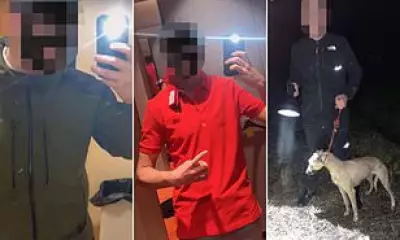
A central figure in a widespread NCAA basketball point-shaving and betting conspiracy has entered a guilty plea, marking a significant development in a case that has rocked college sports. Jalen Smith, described by federal prosecutors as a fixer in the scheme, pleaded guilty to charges of wire fraud and bribery in a Philadelphia federal court on Monday, March 9, 2026.
Details of the Guilty Plea and Scheme
Smith, from Charlotte, North Carolina, is the first of 26 individuals charged in the elaborate plot to formally admit guilt. His plea comes just one week before the start of March Madness, the annual NCAA basketball tournament where billions are wagered legally and illegally on 64 college teams. Prosecutors allege that Smith used his connections as a trainer and developer of local basketball players for professional scouting combines to recruit athletes into the scheme.
According to court documents, Smith was actively involved in fixing games during the 2023-24 and 2024-25 seasons. He placed bets and recruited players with promises of substantial payments in exchange for intentionally underperforming during games. The fixers would then bet against the players' teams, defrauding sportsbooks and other bettors. Smith often traveled to meet players to deliver cash payments by hand, including one instance where he arranged the delivery of approximately $32,000 in cash to two players in Louisiana.

Scope and Impact of the Conspiracy
The scheme, which began with two games in the Chinese Basketball Association in 2023, expanded to involve more than 39 players from over 17 different NCAA Division I men's basketball teams. These players rigged or attempted to rig more than 29 games, targeting institutions such as Tulane University and DePaul University. Rigged games included major conferences and playoffs, like the first round of the Horizon League championship and the second round of the Southland Conference championship.
Players recruited teammates to cooperate by playing poorly, sitting out, or keeping the ball away from uninvolved players to prevent scoring. Prosecutors noted that sometimes the attempted fixes failed, resulting in losses for the fixers. The conspirators wagered millions of dollars, earning substantial proceeds and paying hundreds of thousands in bribes to players, typically ranging from $10,000 to $30,000 per game.
Legal Proceedings and Broader Implications
Charges against Smith and 25 others were unsealed in January 2026. The indictment targets 17 former college basketball players, four active players from this season, and multiple fixers who recruited players and placed bets. More than a dozen players attempted to fix games as recently as last season, with some helping recruit others into the scheme.
This case highlights ongoing issues with integrity in college sports and the risks associated with illegal betting. As March Madness approaches, it serves as a stark reminder of the potential for corruption in high-stakes athletic competitions. The guilty plea by Smith may pave the way for further convictions and reforms to safeguard the sport.