Nebraska is set to become the first state to enforce work, volunteer, or education requirements for new Medicaid applicants, implementing the policy eight months before federal mandates take effect. The move, part of a broad tax and policy law signed by President Donald Trump last year, has sparked concerns among advocates who worry that the rapid rollout leaves key details unresolved and could result in eligible individuals losing coverage.
Implementation Details
Starting Friday, many Medicaid applicants aged 19 to 64 must demonstrate they work or perform community service for at least 80 hours per month, or are enrolled in school half-time. Eligibility will be reviewed every six months instead of annually, potentially leading to faster coverage loss if circumstances change. Exceptions exist for those medically frail or in addiction treatment.
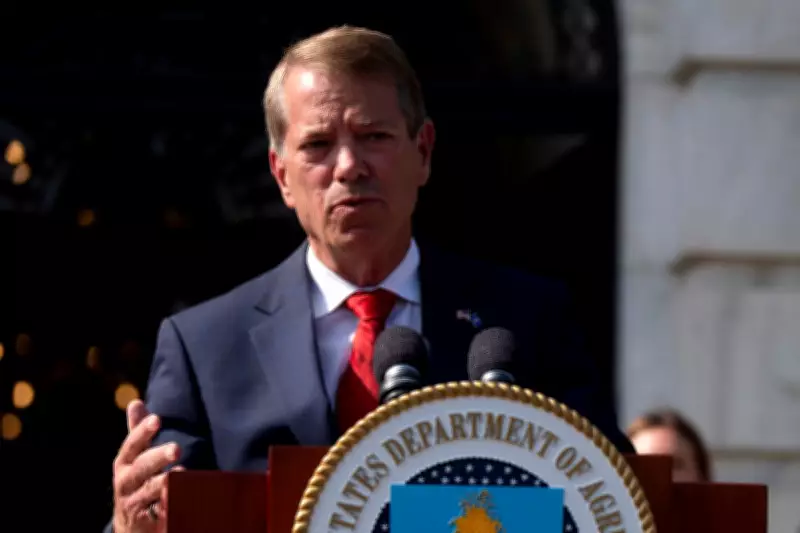
State officials say they are prepared, having trained staff and initiated outreach via letters, emails, and texts to affected individuals. Nebraska Governor Jim Pillen announced the early implementation in December, aiming to integrate able-bodied residents into the community. The state’s unemployment rate was 3.1% in February, one of the lowest nationally.

Impact on Enrollment
An Urban Institute report estimates that nationally, 5 to 10 million fewer people will be enrolled in Medicaid due to the requirements. The administrative burden is a key factor; higher burdens increase the likelihood of noncompliance and disenrollment, according to Michael Karpman, a health policy researcher at Urban.
Nebraska plans to use data matching to verify work status for most of the roughly 70,000 expansion enrollees. Between 20,000 and 28,000 will need to provide additional information, along with 3,000 to 4,000 new monthly applicants. Initially, proof of meeting requirements for just one month in the past year suffices, shifting to six months in 2027. Flexibility includes accepting earnings of at least $580 (equivalent to 80 hours at minimum wage) instead of hours worked.
Concerns and Confusion
Bridgette Annable, a 21-year-old mother from southwest Nebraska, received a letter warning she must meet work requirements or lose benefits covering her insulin and diabetic supplies. Despite advice to protect her mental health, she took a part-time job but struggles with fibromyalgia and bipolar episodes. “I am working 25 to 30 hours a week as much as my employer can provide,” she said, adding that she often calls out due to pain and fatigue.
Amy Behnke, CEO of the Health Center Association of Nebraska, reports that staff and clients have many unanswered questions. For instance, apprenticeship programs count toward work requirements, but it is unclear if only state-certified ones qualify. An exemption for those traveling to a hospital for care lacks clarity on required distance. KFF’s Jennifer Tolbert noted that the state issued a 295-page list of conditions qualifying as medically frail last week, but its comprehensiveness is uncertain.
“The speed at which we are choosing to implement work requirements hasn’t left a lot of space for really meaningful communication,” Behnke said. Nebraska may need to adjust after federal guidance expected in June.