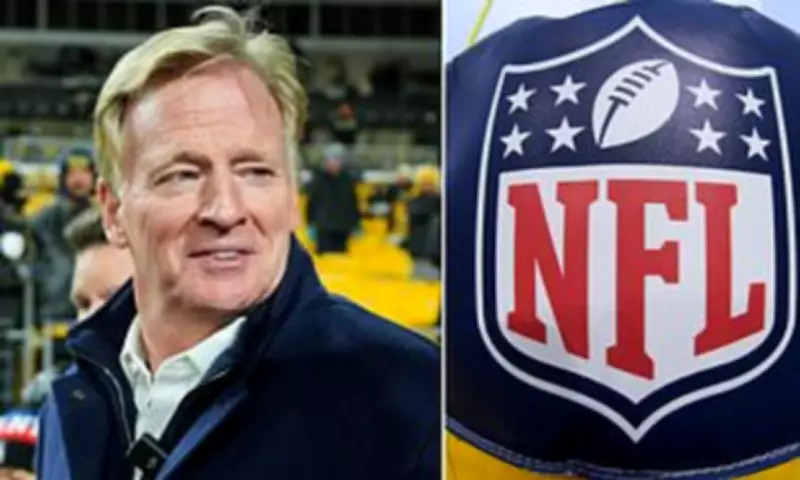
NFL Introduces Groundbreaking Experimental Rule for Free Agency Negotiations
In a landmark move for professional football, the National Football League has enacted an experimental rule that fundamentally alters how teams interact with pending free agents. This innovative approach, which permits direct communication between franchises and players, marks a significant departure from long-standing league protocols.
The Pittsburgh Steelers' Proposal Gains Traction
According to multiple reports, including detailed coverage from NBC Sports, the Pittsburgh Steelers initially proposed this rule change in February. Their suggestion allows each NFL team to initiate video or phone conversations with up to five pending free agents during the crucial two-day negotiation window that precedes official free agency signings.
The Steelers organization is now actively campaigning to make this experimental measure a permanent fixture of NFL operations. League insiders suggest this proposal could be formally voted upon during the upcoming annual owners' meetings scheduled for late March.

Voting Requirements and Implementation Details
For this rule to become permanently adopted, it must secure approval from at least 24 of the league's team owners. Should the owners decide against permanent implementation, they could alternatively vote to extend the experimental rule for an additional year, which would also require 24 affirmative votes.
Interestingly, if the rule does achieve permanent status, reversing that decision would subsequently require another 24-vote majority should owners later determine the change warrants removal.
Historical Context and Practical Implications
This adjustment represents the most significant modification to free agency procedures since the NFL first introduced the negotiation window in 2012. Previously, teams were strictly prohibited from communicating directly with players unless those athletes represented themselves without agent representation. All discussions were mandated to occur exclusively through certified player agents.
The new experimental framework provides multiple advantages:
- Teams can now personally pitch their organizational culture and vision directly to prospective players
- Franchises gain valuable insight into player personalities and motivations before committing to contracts
- Both parties can establish preliminary rapport that may facilitate smoother negotiations
- Teams can immediately arrange travel logistics once verbal agreements are reached
This procedural evolution acknowledges the increasingly personal nature of modern player recruitment while maintaining structured boundaries during the delicate negotiation period. The rule maintains reasonable limitations—restricting contact to five players per team and confining communication to the established two-day window—thus preventing potential abuse while offering meaningful improvements to the free agency process.
Commissioner Roger Goodell will oversee the voting process as representative of the league's ownership collective. The outcome could establish a new standard for how NFL teams build their rosters during the critical free agency period that shapes competitive landscapes for upcoming seasons.