Premier League Clubs Clash Over Champions League Levy to Fund EFL Deal
A fierce debate is emerging within the Premier League as mid-ranking clubs lobby for a radical redistribution of wealth, proposing that a percentage of the biggest teams' UEFA Champions League revenue be used to help fund a new financial settlement with the English Football League. This move aims to address the stalled negotiations over the so-called New Deal for Football, which has been in limbo since the 2023-24 season.
Stalled Negotiations and Regulatory Intervention
Talks for the New Deal, which would provide £880 million over six years to support lower divisions, were put on hold after Premier League clubs failed to reach a consensus on funding. The newly established Independent Football Regulator has now been tasked by the government with reviving these discussions, armed with backstop powers to impose a settlement if an agreement cannot be reached. However, deep divisions persist within the Premier League over how to finance this crucial deal.
A senior source from an established top-flight club revealed that "a hell of a debate" is looming. The source highlighted plans to petition both the IFR and the Premier League to introduce a levy on UEFA income, similar to systems already in place in some European countries. This proposal seeks to prevent smaller Premier League clubs from bearing a disproportionate burden, effectively funding their direct rivals in the EFL through domestic TV money alone.

Champions League Riches and Redistribution Models
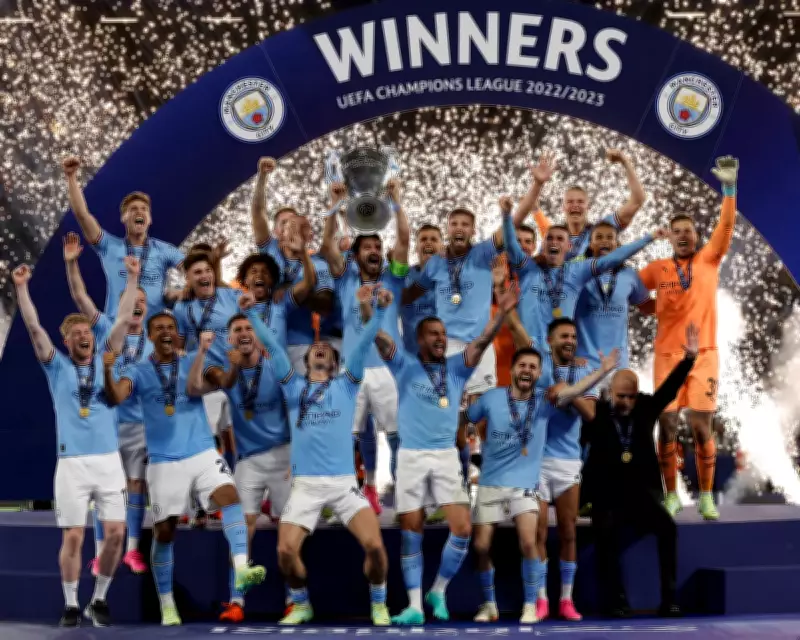
The six English clubs competing in the Champions League this season—Manchester City, Liverpool, Arsenal, Chelsea, Tottenham, and Newcastle—are set to share over £600 million in broadcast income and prize money. Manchester City, as the 2023 winners, along with Liverpool, Arsenal, Chelsea, and Tottenham, have each secured more than £80 million for reaching the last 16, while Newcastle's share is around £50 million due to lower historical performance ratings in UEFA's value pillar assessment.
"We all want to do a deal with the EFL, but why should it be solely funded by the Premier League's TV money?" the source argued. "If that's the case, then a disproportionate burden will fall on the smaller clubs, who in effect will be funding their direct rivals in the EFL. There's going to be a hell of a debate about how this is funded. Other European leagues have a levy on UEFA income as part of their redistribution mechanism, and we should do the same."
European Precedents and Early Stage Proposals
In the Netherlands, the Eredivisie operates a system where Dutch clubs in UEFA competitions must pay 5% of their group-stage prize money to teams that did not qualify for Europe, with this figure dropping to 3.75% in the knockout stages. Additionally, 15% of UEFA revenue is distributed to second-tier clubs. This model serves as a blueprint for the proposed levy in the Premier League, though plans are still in their infancy due to the IFR's nascent role in the negotiations.
The IFR's first priority is to complete its State of the Game review, scheduled for publication early next year. Chair David Kogan has met with both the Premier League and EFL to encourage an agreement, but cannot enforce one until the review concludes. This delay adds urgency to the funding debate, as clubs seek a fair and sustainable solution to support football's broader ecosystem.
As the Premier League grapples with these financial tensions, the outcome could reshape how football wealth is distributed in England, balancing the interests of elite Champions League participants with the needs of smaller clubs and the lower leagues.