

Safety Fears Mount for Iran Women's Football Team as Return Looms
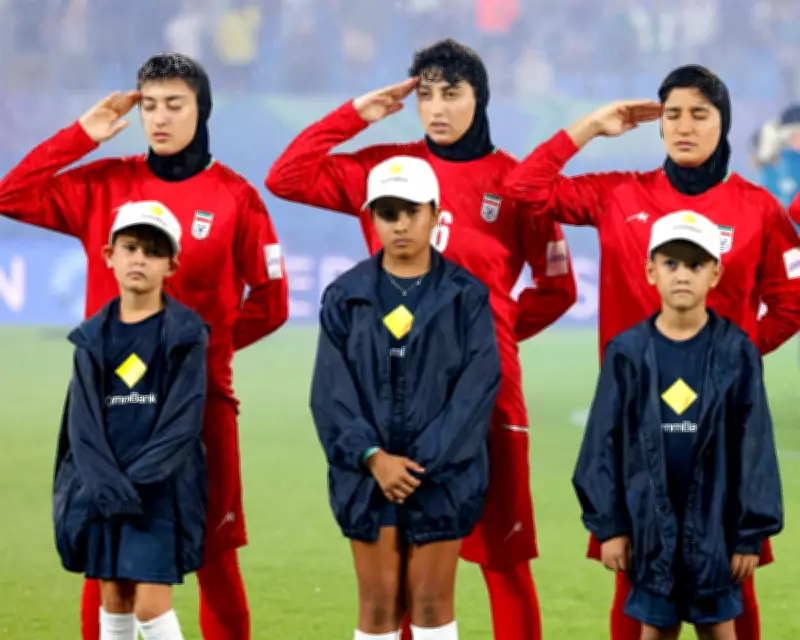
Fears are escalating over the safety of the Iran women's football team players as their return to Iran becomes imminent following their exit from the Women's Asian Cup. The team, which includes an 18-year-old player and a forward previously suspended for a headscarf incident, remains in a hotel on Australia's Gold Coast after their final match on Sunday. With departure looming, the situation is fraught with uncertainty, as international calls grow for protective action.
Diplomatic Tensions and Urgent Calls for Intervention
Mounting appeals urge Australia to take decisive steps before the team's return, though the players themselves have not publicly expressed their wishes. The team has been embroiled in controversy after being labeled "wartime traitors" by a state-linked commentator for not singing the national anthem initially, though they later complied with salutes. This backdrop adds to concerns that returning could expose them to severe repercussions in a regime known for harsh crackdowns.
Daniel Ghezelbash, director of the Kaldor Centre for International Refugee Law at UNSW, emphasized the urgency, noting that Iranian officials likely aim to expedite their departure. "The Iranian officials accompanying the team would be wanting to get them out of Australia as quickly as possible," he said. "And that does create a sense of urgency."

Complex Choices and Legal Obligations
Players face a torrid dilemma: staying in Australia risks cutting ties with family and friends who may face retaliation, while returning could endanger their own safety. Protestors briefly blocked the team bus, using the international help sign, which some players appeared to acknowledge. However, the true desires and vulnerabilities of each player remain unknown, complicating efforts to assist them.
Beau Busch, president of Fifpro for Asia, stated that his organization is liaising with the Australian government, FIFA, and the Asian Football Confederation to apply pressure for human rights protections. He stressed that players must have "agency around what happens next" and that FIFA has a statutory obligation to leverage its influence. Meanwhile, Australia's Liberal opposition, through shadow attorney general Julian Leeser, has called on the Labor government to offer asylum if desired, warning against ignoring the dangers.
Legal Frameworks and Uncertain Pathways
Human rights experts highlight Australia's obligations under the Refugee Convention to protect individuals from persecution, but note that asylum claims typically require formal lodgment. Ghezelbash explained, "In practice, all around the world, the procedures are set up in a way that to initiate that assessment, the applicant needs to raise concerns about being sent back home. But we're in a position now where it appears the women are being monitored and controlled, and they're unable to do that."
Additionally, legal experts are considering exit trafficking laws under anti-slavery legislation, which prohibit coercive or deceptive facilitation of departures. Jennifer Burn, director of Anti-Slavery Australia, suggested that a call for help might trigger law enforcement duties, though jurisdictional uncertainties with the AFP persist. "If there is a reasonable belief that an offence is taking place, arguably there could be a duty to inquire," she said, while acknowledging the lack of direct communication from the players.
Growing Support and Oversight Criticisms
Support for the players has surged, with a petition for government protection exceeding 60,000 signatures and calls from the Iranian-Australian community for direct engagement. Reza Pahlavi, son of Iran's last shah, appealed to Australia via social media to ensure their safety. The Asian Cup organizing committee assured a "safe and secure environment," but Busch criticized the lack of a human rights impact assessment for the tournament, unlike the 2023 Women's World Cup, calling it a missed opportunity for proactive measures.
As the clock ticks, the international community watches closely, hoping for a resolution that prioritizes the safety and rights of these athletes amid escalating geopolitical tensions.






