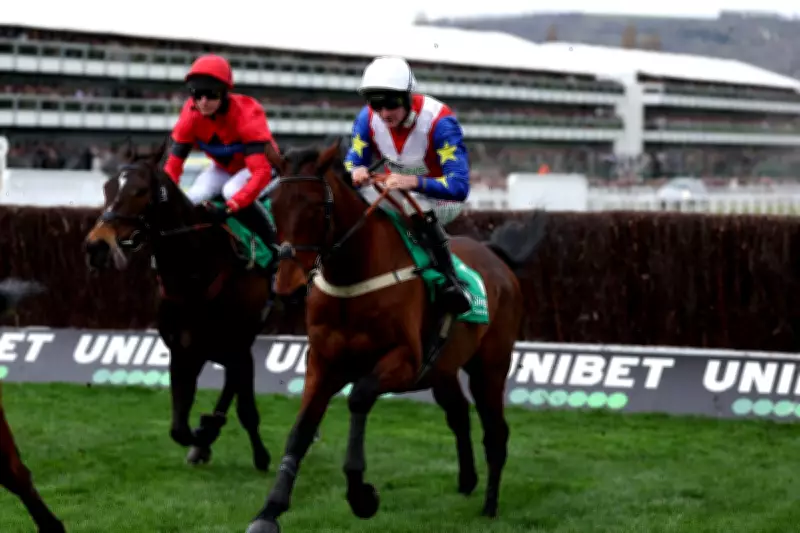
The Cheltenham Festival has been struck by tragedy for the second consecutive day as HMS Seahorse died following a fall during Wednesday's BetMGM Cup Handicap Hurdle. This incident comes just one day after Hansard suffered a fatal injury on the opening day of the iconic racing event, raising serious questions about equine welfare at the prestigious festival.
Second Fatal Incident in Two Days
HMS Seahorse, an eight-year-old trained by Paul Nolan, fell at the final hurdle during the Handicap Hurdle race on Wednesday afternoon. Despite immediate attention from a team of expert veterinary professionals, the horse sustained injuries that proved fatal. Cheltenham Racecourse issued a statement expressing their heartfelt condolences to the connections of HMS Seahorse, confirming that the animal could not be saved despite the best efforts of veterinary staff.
Opening Day Tragedy
This latest death follows the heartbreaking loss of Hansard during Tuesday's Singer Arkle Challenge Trophy Novices' Chase. The Gary and Josh Moore-trained horse suffered a fatal injury while running on the flat towards the end of the race, during the turn coming into the home stretch. Unlike HMS Seahorse, Hansard did not fall but sustained such severe injuries that on-course veterinarians determined the most humane course of action was to put him down.

ITV Racing presenter Ed Chamberlin broke the sad news to viewers, describing it as a "sad postscript" to the race. The 100-1 outsider was immediately attended to by veterinary professionals who made the difficult decision based on the horse's welfare.
Animal Welfare Concerns Raised
The consecutive deaths have prompted strong reactions from animal welfare organizations. PETA's Vice President of Programmes, Elisa Allen, released a statement highlighting the broader context of equine fatalities in racing. "Cheltenham and horse racing have claimed yet another victim with the death of Hansard today," Allen stated. "Some 3000 horses have died in UK horse racing events in the past decade, and 79 horse deaths at Cheltenham in the past 25 years alone."
Allen continued with a stark assessment of racing risks: "Forcing horses to race at breakneck speeds over obstacles invariably leads to crippling falls, heart attacks, and other fatal injuries. Off track, more death, with horses who can't run fast enough discarded like used betting slips – dumped on rescue charities, killed, or sold for slaughter."
Calls for Festival Cancellation
The animal rights organization went further, calling for radical changes to the sport. "Cheltenham organisers may hope the champagne will distract from the carnage, but the only way to ensure the welfare of horses is to cancel the Cheltenham Festival and all racing festivals," Allen concluded in her statement.
Both incidents have cast a shadow over what is traditionally one of British racing's most celebrated events. The festival, known for its thrilling races and festive atmosphere, now faces increased scrutiny regarding safety protocols and animal welfare standards. Racing authorities and festival organizers will likely face difficult questions about whether current measures adequately protect competing horses from serious injury.
The back-to-back tragedies have left the racing community in mourning, with trainers, jockeys, and fans expressing their condolences for both HMS Seahorse and Hansard. As the festival continues, attention will undoubtedly focus on whether additional safety measures might be implemented to prevent further losses during the remaining events.