

The Rise of the Strava Police in Marathon Running
After completing the gruelling 26.2 miles of a marathon, many runners immediately check their smartwatches. They eagerly look for personal bests or target times achieved. If successful, a common next step is to share the triumph on the Strava app, often accompanied by a screenshot and a celebratory medal photo on Instagram. However, before hitting post, runners should beware of the so-called Strava police.
Who Are the Strava Police?
The Strava police are members of the running community who monitor social media to verify the legitimacy of times posted by influencers and athletes from official long-distance events. Leading this effort is the Official Marathon Time Integrity Unit (OMTIU), known on Instagram as @officialunofficialtime, with over 30,000 followers. Their mission is to safeguard marathon integrity by exposing individuals who boast about Strava times instead of the official chip times provided by race organisers.
OMTIU states on Instagram: 'Our mission at the Official Marathon Time Integrity Unit (OMTIU) is to restore truth, accuracy and transparency to distance running. We exist to protect the integrity of the sport by ensuring that the time athletes share publicly reflect the times they actually ran.' A key focus is combating 'Strava inflation', where GPS-based times from apps like Strava differ from more accurate chip times that use radio-frequency identification (RFID) technology.

Understanding Time Discrepancies
Discrepancies between chip and Strava times can range from seconds to minutes, often due to GPS inaccuracies in sports watches like Garmin or Coros. Factors such as navigating crowded routes or running near tall buildings can cause GPS drift, making distances appear longer. For instance, at the Valencia marathon in December 2025, winner John Korir experienced a GPS drift of nearly 400 metres, with his watch showing 42.59 kilometres versus the official 42.195 km course.
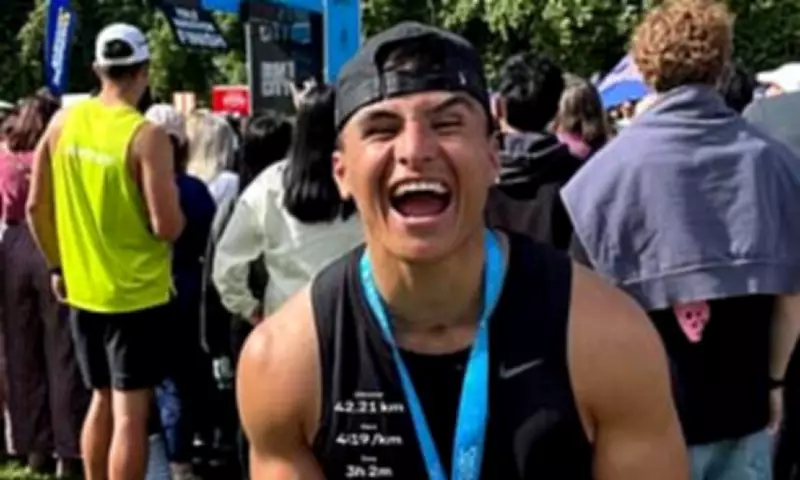
OMTIU targets influencers, online coaches, and experienced runners who knowingly post faster Strava times, aiming to prevent newcomers from being misled by fraudulent performances. They publish 'case files' highlighting creators with significant time gaps. In February, they listed top infringements, including Zae Mangu, a fitness influencer from New Zealand, who had a 23-minute discrepancy in the Auckland Marathon. His Strava time was 3:02, but his chip time was 3:25:42. After being called out, he deleted the post and shared the official result.
Community Reactions and Criticisms
While some, like European indoor Championships silver medallist Holly Archer, praise OMTIU's work, others criticise their methods. Running influencer Jennifer Mannion, with 110,000 followers, argued that many runners are unaware of the differences and called for more empathetic approaches. She shared an experience where she was harshly corrected online, emphasising that education should replace public shaming, especially in sensitive cases like memorial runs.
OMTIU responds that they focus on clear evidence of deliberate manipulation, typically acting on discrepancies over a minute for longer distances. They claim to contact accused creators before posting if there's uncertainty, but proceed immediately with 'clear and objective evidence'. The group asserts they do not target private individuals or beginners, only those who should understand race timing.
The Impact on Runners
As marathons like London approach, runners are warned to post chip times to avoid being featured on OMTIU's Instagram stories. The account posts daily call-outs, including high-profile figures like Love Island's Casey O'Gorman, and maintains six case files on their grid. They stress that their goal is accuracy, not escalation, and support corrections when made.
In summary, the Strava police represent a growing movement to uphold honesty in running, sparking debate within the community about accountability versus compassion in the digital age.






