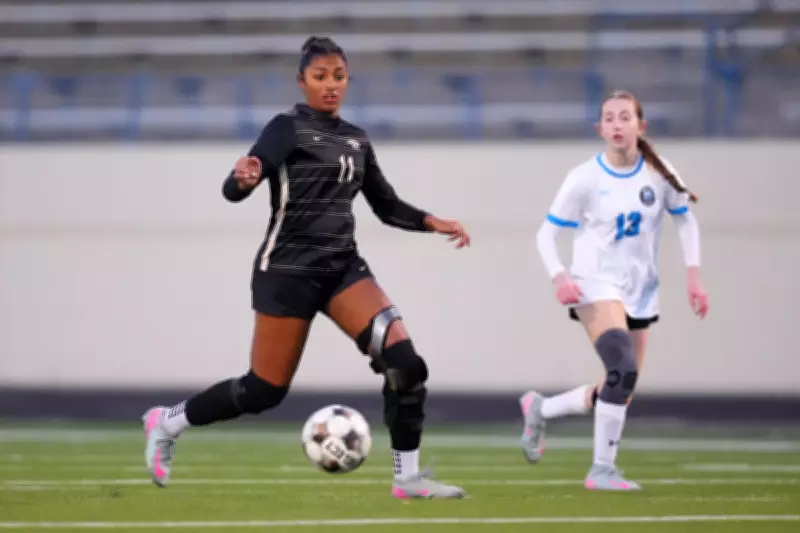
Teenage Girls Face Soaring ACL Injury Rates, Parents Demand Action
Teenage girls are increasingly at risk of tearing their anterior cruciate ligaments, with parents and researchers calling for urgent measures to protect young female athletes. The ranks of high school girls suffering these devastating knee injuries are growing rapidly, prompting experts to push the sports world to take the issue more seriously and enhance prevention efforts.
Growing Crisis in Youth Sports
Sofia Tepichin's experience highlights the personal toll of ACL injuries. During a club soccer practice in October, she dodged a defender, landed awkwardly, and heard a telltale "pop" in her left knee. The immediate pain confirmed her fears: a torn ACL, a heartbreaking setback that sidelined her from the sport she loves. Tepichin is part of a troubling trend, as female high school athletes suffer ACL tears at rates up to eight times higher than their male counterparts, according to studies.
Researchers attribute this disparity to biomechanical factors, often in noncontact situations during sports requiring quick directional changes. Despite decades of available research on prevention methods, many teams, coaches, and leagues are failing to implement adequate safeguards or educate parents, leaving girls vulnerable.

Prevention Programs Underutilised
Proven warm-up and strengthening routines, such as FIFA 11+ or PEP, can significantly reduce ACL injury risks. However, most high school coaches lack training or resources to incorporate these into daily practices, unlike professional or collegiate levels where such programs are more common. Holly Silvers-Granelli, a physical therapist and biomechanics researcher, emphasises that solutions have been known for 25 years, yet adoption remains low.
Data from the National ACL Injury Coalition reveals a sharp rise in injuries. From 2007 to 2022, the average annual ACL injury rate for high school athletes increased by nearly 26%, with girls experiencing a 32% surge compared to 14.5% for boys. This trend underscores the need for systemic change in youth sports.
Recovery Challenges and Long-Term Impacts
When injuries occur, high school athletes and their families often face daunting recovery journeys. ACL tears typically require surgery and up to a year of rehabilitation, with insurance often not covering all costs. Beyond physical trauma, the emotional toll is severe, as athletes miss team camaraderie and struggle with identity loss on the sidelines.
Many never return to their pre-injury performance levels, and they face heightened risks of re-injury and degenerative joint disease later in life. The coalition advocates treating ACL injuries with the same urgency as brain injuries, calling for improved training and equipment standards.
Initiatives to Address the Problem
Efforts are underway to bridge the gap. The American Youth Soccer Organization plans to roll out neuromuscular training programs this spring, offering coaches bite-sized exercise regimens with video instructions. Similarly, the Scottish Rite for Children hospital in Dallas provides high school teams with motion-capture assessments and tailored prevention trainings, focusing on female athletes' strength and movement quality.
Coaches like Cristy Cooley of Plano East High School in Texas, where multiple ACL tears have occurred, note the value of hands-on demonstrations from professionals. Parents, such as Tiffany Jacob, whose daughter Aliya tore her ACL, stress the need for change, urging clubs and coaches to prioritise prevention.
Moving Forward with Solutions
As researchers shift from asking "why" to implementing "what is the solution," outreach programs aim to make prevention accessible. For athletes like Tepichin, who is recovering with support from sports psychology and a new routine, the focus is on healing and future play at Saint Vincent College. The collective call is clear: with injury rates climbing, the sports community must act now to protect teenage girls from preventable harm.