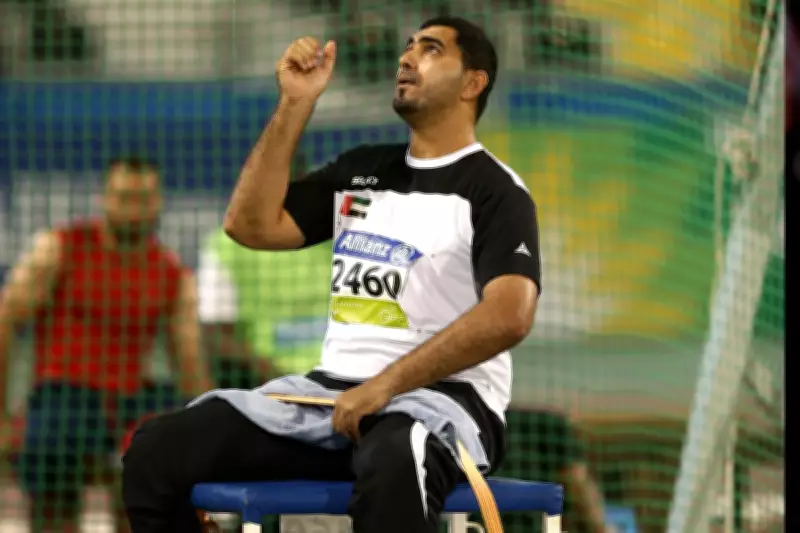
In a significant legal development, UK Athletics has entered a guilty plea to a charge of corporate manslaughter concerning the tragic death of Paralympic athlete Abdullah Hayayei. The incident occurred in July 2017 while Hayayei was training in London, leading to a case that has drawn widespread attention to safety standards in sports.
Background of the Fatal Incident
Abdullah Hayayei, a 36-year-old athlete from the United Arab Emirates, was preparing for the 2017 World Paralympic Athletics Championships at the Newham Leisure Centre. During a training session, a metal throwing cage collapsed and struck him, resulting in fatal injuries. Hayayei, who had debuted in javelin and shot put at the 2016 Paralympic Games in Rio de Janeiro, was pronounced dead at the scene, leaving the sporting community in shock.
Legal Proceedings and Plea Change
UK Athletics was formally charged with corporate manslaughter last year. Initially, the organisation pleaded not guilty, with a trial scheduled for later this year. However, on Friday, February 20, 2026, UK Athletics changed its plea to guilty. Simon Antrobus, representing the organisation, entered the plea on its behalf in court.

In a related development, Keith Davies, the 78-year-old head of sport for the 2017 World Paralympic Athletics Championships, also pleaded guilty to an offence under the Health and Safety at Work Act. This underscores broader concerns about safety protocols and oversight in athletic training environments.
Sentencing and Organisational Response
Both UK Athletics and Keith Davies are expected to be sentenced in June, pending further legal proceedings. In response to the guilty plea, UK Athletics issued a statement expressing profound regret and sympathy. The organisation stated, "UK Athletics deeply regrets that the incident in July 2017 resulted in the tragic loss of Abdullah Hayayei’s life," extending condolences to his family and teammates.
This case highlights critical issues in sports safety and corporate accountability, particularly for athletes with disabilities. The guilty plea marks a pivotal moment in ensuring that such tragedies are thoroughly investigated and that preventive measures are strengthened to protect athletes in the future.