Ukrainian Skeleton Athlete Receives $200k Donation Following Olympics Disqualification
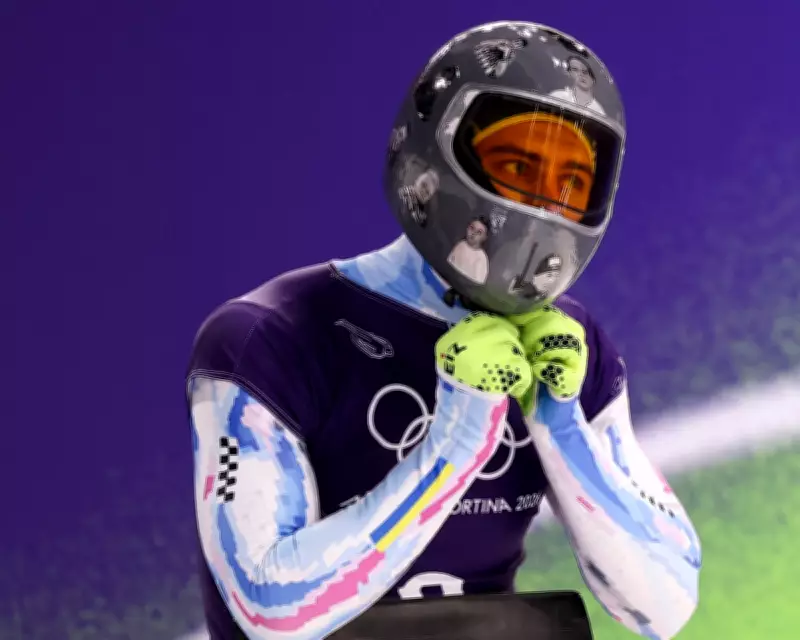
Ukrainian skeleton racer Vladyslav Heraskevych has been gifted more than $200,000 by the owner of football club Shakhtar Donetsk, after being banned from competing in the 2026 Winter Olympics. The 27-year-old athlete was disqualified for wearing a helmet depicting Ukrainian athletes killed in the war with Russia, a move that breached International Olympic Committee rules on political expression at the Games.
Controversial Helmet Leads to Disqualification
Heraskevych was disqualified last week when the International Bobsleigh and Skeleton Federation jury ruled that imagery on his helmet violated regulations. The helmet displayed the faces of 24 Ukrainian athletes who have died since Russia's invasion in 2022. Despite being allowed to train with the helmet in Cortina d'Ampezzo, the IOC warned him a day before his competition that he could not wear it during the event.
He then lost an appeal at the Court of Arbitration for Sport just hours before the final two runs of his competition, having already missed the first two runs due to the disqualification. The IOC had suggested alternatives, such as wearing a black armband or displaying the helmet before and after the race, but insisted that using it in competition breached rules aimed at keeping politics off the field of play.

Substantial Donation from Football Club Owner
In response, Shakhtar Donetsk president Rinat Akhmetov donated over $200,000 to Heraskevych, an amount equal to the prize money Ukraine pays athletes who win a gold medal at the Olympics. Akhmetov stated in a club announcement that Heraskevych, though denied the chance to compete, returns to Ukraine as a true winner, earning respect and pride among Ukrainians for his actions.
The donation is intended to support Heraskevych's sporting career and his efforts to fight for truth, freedom, and the remembrance of those who sacrificed their lives for Ukraine. This gesture highlights the broader support for Ukrainian athletes amid ongoing conflict and international sporting controversies.
Wider Reactions and Implications
The case garnered significant attention early in the Olympics, with IOC president Kirsty Coventry meeting Heraskevych in a last-minute attempt to find a compromise, though it was unsuccessful. Heraskevych also received praise from Ukrainian President Volodymyr Zelenskiy, underscoring the national significance of his stance.
This incident raises questions about the balance between athlete expression and Olympic regulations, particularly in contexts of global conflict. It also reflects the solidarity within Ukraine's sporting community, as seen through Akhmetov's generous donation, which not only compensates for lost opportunities but also reinforces the memory of fallen athletes.