The upcoming FIFA World Cup is facing significant new turmoil and escalating safety concerns after a major outbreak of cartel violence erupted across Mexico. This alarming development has prompted the Canadian government to urgently advise its citizens against non-essential travel to its co-host nation for the global soccer showpiece.
Violence Sparks Travel Warnings
Millions of international football fans are scheduled to descend upon the United States, Mexico, and Canada for this summer's historic tournament. Mexico is slated to host thirteen crucial matches across three major cities: Guadalajara, Mexico City, and Monterrey. This includes the prestigious curtain-raiser opening game in Mexico City on June 11th.
However, with barely one hundred days remaining until the tournament's commencement, severe chaos broke out on Sunday following the reported killing of notorious drug lord Nemesio 'El Mencho' Oseguera Cervantes. According to high-ranking officials speaking to local publications, the Mexican Army entered the town of Tapalpa and eliminated 'El Mencho.'

Retaliation and Regional Chaos
Oseguera Cervantes was the infamous leader of the Jalisco New Generation Cartel (CJNG), recognized as one of Mexico's most powerful and dangerous drug trafficking organizations. The CJNG plays a pivotal role in smuggling methamphetamine and fentanyl into the United States. His death has triggered violent retaliatory actions across the Mexican state of Jalisco, leaving numerous tourists stranded and prompting immediate international response.
In response to the deteriorating security situation, Global Affairs Canada has officially urged people to 'avoid non-essential travel' to dozens of specific areas within Mexico. This advisory cites 'high levels of violence and organized crime' as the primary reason for the warning. Concurrently, the United States State Department has instructed American citizens in affected regions to shelter in place, with reports confirming that some tourists are currently trapped south of the border.
Escalating Security Incidents
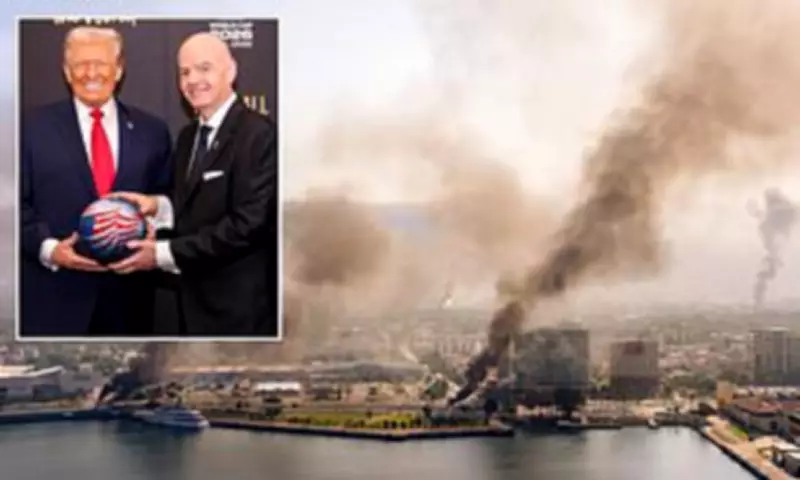
The violence has manifested in several alarming forms. In the states of Jalisco, Guerrero, and Michoacan, there have been confirmed reports of explosions and intense shootouts between rival cartel factions and Mexican security forces. Furthermore, criminal groups have reportedly established roadblocks using burning vehicles across several cities in southwestern Mexico, severely disrupting transportation and local order.
This terrifying wave of violence erupts perilously close to the World Cup's start date, casting a dark shadow over Mexico City's role in hosting the opening match between Mexico and South Africa. The 2026 tournament is poised to be the largest in history, featuring forty-eight teams competing in one hundred and four games between June 11th and July 19th.
Compounding Pre-Existing Concerns
Unfortunately, this security crisis adds to a growing list of pre-existing concerns that have dogged the tournament's planning phase. Previous issues have included:
- Criticism over excessively high ticket prices for fans.
- Complications and delays regarding fan visa applications.
- Potential travel bans affecting international spectators.
- Strict immigration enforcement measures causing uncertainty.
The combination of organized cartel violence and these logistical challenges now presents a formidable hurdle for tournament organizers and host nations, raising urgent questions about fan safety, infrastructure security, and the overall smooth operation of the world's most-watched sporting event.