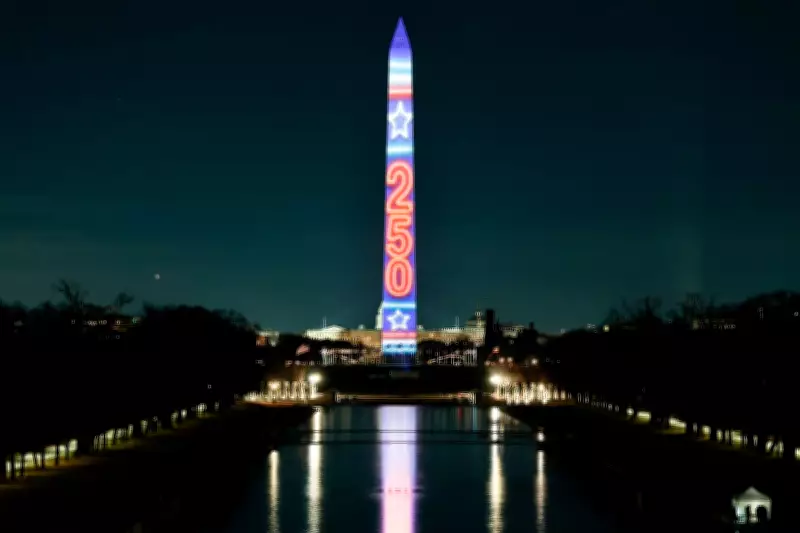
A new survey from the Pew Research Center has revealed that a majority of Americans believe the United States' finest days are behind it, just as the nation prepares to celebrate its 250th anniversary. According to the poll published on Friday, 59 percent of respondents said the country has already experienced its best years, while only 40 percent think the best is yet to come.
Partisan Divide on National Outlook
The survey highlights a stark partisan divide on the issue. Among Democrats, 64 percent said the nation's best years were in the past, compared with 53 percent of Republicans. This marks a significant shift from a similar Pew survey conducted in 2014, when 64 percent of Republicans and just 35 percent of Democrats held that view. At that time, Barack Obama was president and Democrats controlled the Senate.
Growing Pessimism About the Future
The latest poll also found that 44 percent of Americans are pessimistic about what the country will be like in 50 years, while 28 percent are optimistic and 27 percent are neutral. Fifty percent of Democrats reported feeling pessimistic, compared with 39 percent of Republicans. Kim Parker, director of social trends research at Pew, described the shift as significant, telling Courthouse News: 'I would say that’s a significant shift towards a more negative orientation.'

Migration Trends Reflect Discontent
This growing pessimism coincides with a historic drop in migration. In 2025, for the first time in decades, more people left the United States than moved in. Brookings Institution estimates net migration was between negative 295,000 and negative 10,000 last year, with 2026 expected to follow a similar pattern. Global Citizen Solutions, a consultancy firm, attributed the trend to a combination of factors, including political polarization, economic anxiety, tax policies, and a post-pandemic reassessment of belonging. The firm noted: 'A convergence of political polarization, economic anxiety, tax policy, and a post-pandemic rethinking of what it means to belong to a place has produced something historically remarkable: a growing outward flow of American citizens actively seeking second citizenships, foreign residencies, a Plan B in case circumstances require a quick transition.'
The survey, which included 3,560 U.S. adults, was conducted in December, ahead of the nation's 250th birthday on July 4.