A knife attack in Belfast has ignited far-right violence, marking the latest in a series of trigger events that have fueled extremism in Northern Ireland. The incident, which occurred on June 8, 2026, saw a man wielding a knife injure several people in a busy area of the city. Police swiftly arrested the suspect, but the attack quickly became a rallying cry for far-right groups.
Escalation of Violence
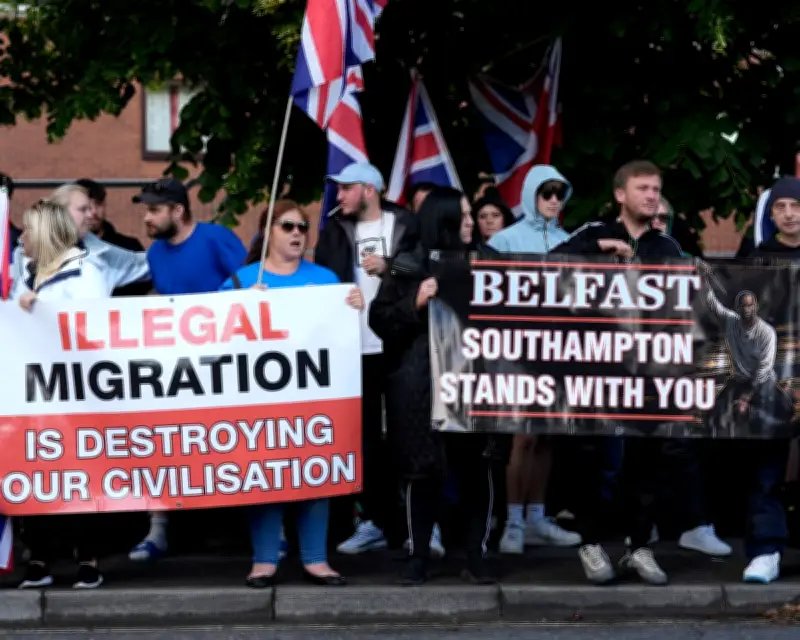
Within hours of the attack, far-right activists took to the streets, clashing with police and attacking minority-owned businesses. Rioters threw petrol bombs and bricks, while police responded with water cannons and rubber bullets. The violence spread to other parts of Belfast, with reports of arson and looting.
Political Reactions
Northern Ireland's First Minister condemned the violence, calling it "an assault on our shared values." The UK government offered additional police support, while community leaders urged calm. Critics, however, argue that years of austerity and social media misinformation have created a fertile ground for far-right recruitment.

The attack has also reignited debates about policing and community relations in Northern Ireland. Some accuse the police of failing to protect vulnerable communities, while others blame the government for not doing enough to address the root causes of extremism.
Broader Context
The Belfast attack is the latest in a pattern of far-right mobilizations following violent incidents across the UK. Similar events in Southport and other towns have seen far-right groups exploit tragedies to spread hate and incite violence. Experts warn that such trigger events are becoming more frequent and more dangerous.
As Belfast recovers, the focus remains on preventing further escalation. Community groups are organizing peace rallies, while police maintain a heavy presence. The long-term challenge, however, is to address the underlying grievances that far-right groups exploit.