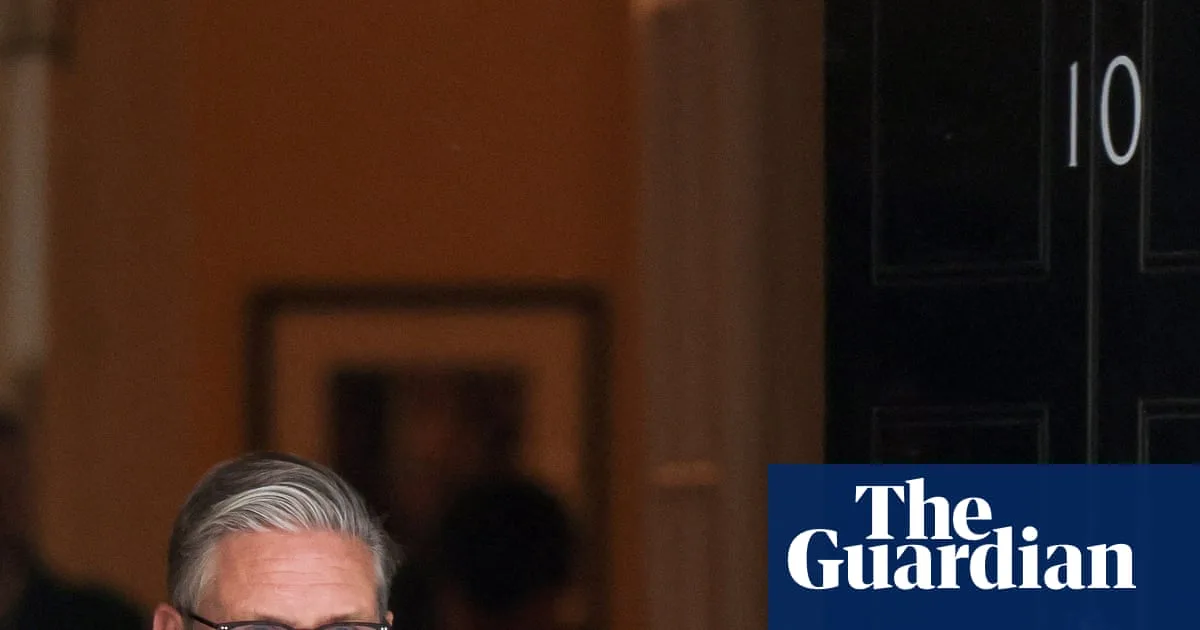
Prime Minister Keir Starmer has survived a Commons vote to refer him to Parliament's privileges committee over the Peter Mandelson affair, but the episode has exposed deep fractures within his party and raised questions about his judgment. The Conservative motion, dismissed by Labour as a political stunt, was defeated after a whipped vote, with limited rebellion from Labour backbenchers.
Starmer addressed Labour MPs before the vote, urging them to 'stick together and fight together' and describing the motion as 'pure politics' designed to destabilise the government ahead of local elections. Senior Labour figures including Gordon Brown, Alan Johnson, and David Blunkett called for restraint, arguing the vote was a distraction from the party's agenda.
The prime minister now faces a second challenge on Tuesday, with former chief of staff Morgan McSweeney appearing before the Foreign Affairs Committee inquiry into Mandelson's appointment. McSweeney, who left government over the row, is expected to face questions about whether due process was followed, including whether he pressured the Foreign Office over Mandelson's vetting.

New evidence emerged on Monday night when a letter from Ian Collard, the director of security, revealed he had not seen the document recommending Mandelson be denied security clearance. Instead, he received an oral briefing describing the case as 'overall … a borderline case' that could be managed through 'robust risk management'. Collard admitted feeling under pressure to deliver a 'rapid outcome' but said it did not affect his final judgment.
Downing Street released a letter from former cabinet secretary Chris Wormald stating that 'appropriate processes were followed' during Mandelson's appointment. However, the Tories have questioned Starmer's claim that there was 'no pressure whatsoever' on the Foreign Office, given conflicting testimony from former top official Olly Robbins. Knowingly misleading Parliament is considered a resigning offence for ministers.