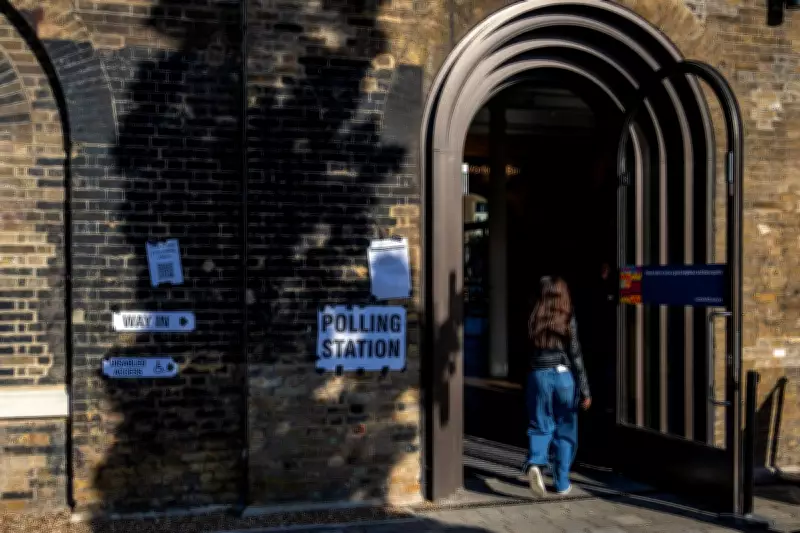
Historic Voting Age Bill: How 16- and 17-Year-Olds Could Reshape UK Politics
Amidst the current political noise, a quiet but significant revolution is underway. The government has introduced the Representation of the People Bill 2026, a landmark piece of legislation that will grant 16- and 17-year-olds the right to vote in UK general elections. This marks the most substantial change to the franchise since 1969, when the voting age was lowered from 21 to 18. The bill also expands acceptable forms of voter identification at polling stations, while tightening regulations on foreign interference and large political donations.
Timeline and Implementation Challenges
Despite the urgency of the announcement, the changes will not be ready for the upcoming May elections. The bill is only beginning its parliamentary journey, and even if passed swiftly, it will require time to recruit new voters and update electoral registers. This delay underscores the logistical complexities involved in such a fundamental shift.
Potential Political Beneficiaries
In the short term, polling data suggests that the Green Party would be the largest beneficiary of this franchise extension, followed by the Liberal Democrats and Labour to a lesser extent. Young men show a slight inclination toward Reform compared to their female counterparts, though Nigel Farage does not hold immediate appeal for this group. The Conservatives are expected to underperform significantly among young males, a cohort born around 2009-2010 who have lived almost entirely under Tory-led governments.

This contrasts sharply with the over-65 demographic, where the Tories and Reform dominate, highlighting a stark intergenerational voting gap that reflects differing outlooks and circumstances.
Historical Context and Long-Term Implications
Historically, changes to the franchise have had lasting impacts. For example, when women gained the vote in 1918 (for over-30s) and 1929 (for all women aged 21 and over), the Conservatives enjoyed a sustained advantage for decades until the 21st century. Similarly, pensioner votes once strongly favored Labour, but this has shifted over time, as class-based loyalties have diminished.
In the long run, the new youth vote could disproportionately benefit any political party, as voter preferences evolve slowly. However, current trends indicate a potential reinforcement of pro-European demographic trends, making a future referendum on rejoining the EU more feasible.
Key Issues Driving Youth Engagement
Younger voters tend to prioritize environmental concerns and mental health, but they also share older generations' worries about the cost of living. Policies likely to win their support include:
- Enhanced education and training opportunities
- Support for maintenance in sixth-form colleges (a policy introduced by New Labour in 1999 but abolished in 2011)
- Increased funding for apprenticeships
- Abolition of tuition fees
Such measures could explain the Green Party's popularity among this demographic.
Practical Realities and Turnout Concerns
Despite the hype, the youth vote is unlikely to save Keir Starmer or decisively alter election outcomes. Only about 1.3 million 16- to 17-year-olds will qualify under citizenship rules, out of a total electorate of approximately 47 million. Turnout among young voters tends to be lower, and a recent ITN/Merlin poll revealed that about half of 16- to 18-year-olds do not even want the vote.
While urban constituencies with younger populations might see increased support for the Greens, Gaza independents, and Labour, this is insufficient to swing a general election. However, the inclusion of even a small youth force could gradually shift political discourse.
Global Precedents and Civil Stability
Lowering the voting age is not without precedent. Countries like Brazil and Austria have maintained civilised standards despite allowing 16- and 17-year-olds to vote. In the UK, this age group already votes in Scottish and Welsh government elections, demonstrating that such reforms need not lead to disaster.
As the bill progresses through Parliament, its potential to reshape Britain's political landscape remains a topic of intense debate, with implications for generations to come.