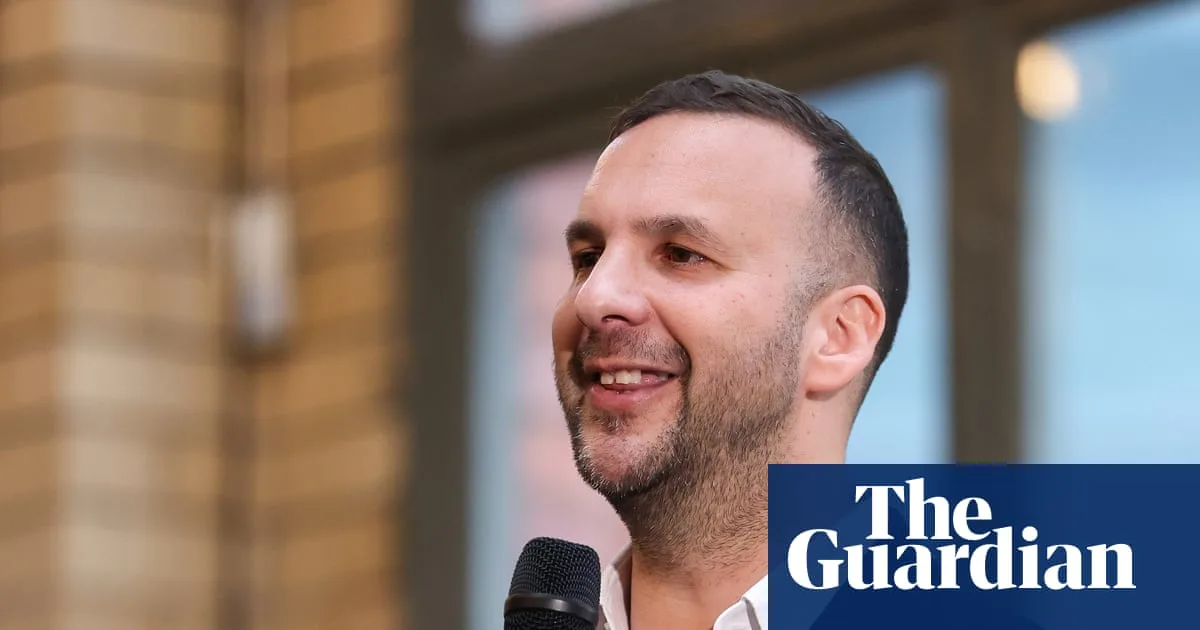
Green Leader Zack Polanski Sparks Outcry Over Call to Exclude Right-Wing Views
Green Leader Polanski Sparks Outcry Over Right-Wing Exclusion Call

Green Party Leader Zack Polanski Faces Authoritarianism Accusations Over Controversial Comments

Zack Polanski, the leader of the Green Party, has been branded as 'authoritarian' following his remarks advocating for the exclusion of Right-wing individuals from society. During a recent episode of his Bold Politics podcast, Polanski questioned whether people holding views he deems 'toxic' could ever be persuaded to change their minds, sparking a fierce political backlash.

Podcast Remarks Ignite Political Firestorm

In the podcast, Polanski engaged with broadcaster Zakia Sewell on how to bridge divides in an 'increasingly divided' world. He expressed skepticism about integrating those who identify as Right-wing or far-Right, stating, 'No matter what humanity or community we put them in, they are set on destroying or pushing this toxicity.' Polanski then posed a provocative question: 'Do we think we can change their minds? Or is it a case of building a society that doesn’t include them?'

His comments have drawn immediate condemnation from political opponents, who argue such rhetoric undermines democratic principles and fosters division rather than unity.

Wide Pickt banner — collaborative shopping lists app for Telegram, phone mockup with grocery list

Conservative and Reform UK Criticism Escalates

Tory Party chairman Kevin Hollinrake was quick to label Polanski's stance as 'authoritarian,' drawing historical parallels to repressive regimes. Hollinrake asserted, 'Polanski wants to build a society that doesn’t include people with Right-wing views. Every regime that has tried to build a society along those lines – Soviet Russia, Mao’s China, Castro’s Cuba – ended in repression. This is the opening line of every authoritarian playbook.'

Similarly, a Reform UK spokesman accused Polanski of revealing his true intentions, stating, 'Zack Polanski has just let the mask slip. He doesn’t believe in persuading people or winning arguments – he wants to build a society that excludes anyone who identifies as Right of centre or even questions the Green agenda. That’s not politics, that’s authoritarianism.'

Context of Controversy Amid Local Election Scrutiny

These remarks come at a sensitive time for the Green Party, as some of its candidates for the upcoming local elections have faced accusations of anti-Semitic hate speech. This backdrop adds fuel to the controversy, raising questions about the party's internal vetting processes and public messaging.

During the podcast, guest Zakia Sewell challenged Polanski's approach, questioning if he was 'in danger of alienating people who are perhaps more moderate.' This internal pushback highlights the divisive nature of his statements, even among potential allies.

Broader Implications for Political Discourse

Polanski also took aim at historical narratives, arguing that the 'predominant narrative' portraying Winston Churchill as an 'amazing Prime Minister' should be challenged, citing the wartime leader as 'deeply problematic.' This further illustrates his willingness to confront established viewpoints, albeit in a manner that critics say risks polarizing public debate.

The episode underscores ongoing tensions in British politics over how to address ideological differences, with Polanski's call for exclusion starkly contrasting with traditional democratic values of inclusion and dialogue. As the local elections approach, this controversy may impact voter perceptions and party dynamics, potentially shaping the political landscape in the coming months.

Pickt after-article banner — collaborative shopping lists app with family illustration