Labour's Proposed Trail Hunting Ban Ignites Rural Fury and Economic Concerns
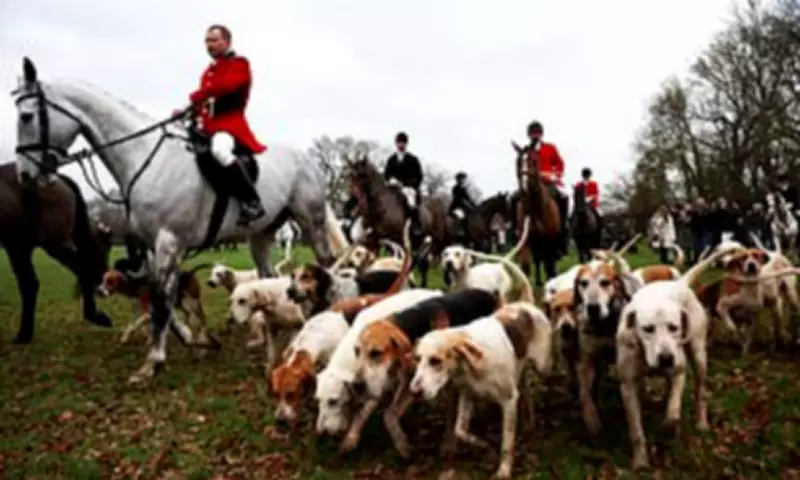
Labour has ignited fresh controversy in rural communities by unveiling plans to outlaw trail hunting, a move that has sparked significant backlash from countryside groups and residents. Ministers confirmed today that they intend to toughen measures originally introduced under Tony Blair's government by banning this alternative practice, where dogs chase an artificial scent trail laid across the landscape.
Animal Welfare and Illegal Hunting Concerns Drive the Proposal
Officials from the Department for Environment, Food and Rural Affairs (Defra) have raised serious concerns that trail hunting has been exploited as a 'smokescreen' for illegal fox hunting. They argue that dogs can easily pick up the scent of real wild animals like foxes or hares during these pursuits, leading to unintended chases and potential killings instead of following the artificial trail. Launching a three-month public consultation on the plan for England and Wales, Defra stated that the inherent risks to wildlife make the practice unacceptable from an animal welfare perspective.
Baroness Hayman, the animal welfare minister, emphasised that this consultation represents a 'first step' toward fulfilling Labour's manifesto commitment to ban trail hunting. She highlighted the complexity of the issue, noting the difficulty in ensuring domestic and wild animals are not endangered during these activities. The proposed legislation aims to address persistent worries that trail hunting can obscure intentions to hunt wild mammals with dogs, thereby facilitating illegal hunting under the guise of a legal alternative.

Economic Impact and Rural Community Backlash
The announcement has drawn fierce criticism from rural advocates, particularly the Countryside Alliance. Chief executive Tim Bonner condemned the ban as 'unnecessary, unjustified and unfair,' warning that it could devastate an industry contributing approximately £100 million annually to the rural economy. He argued that at a time when the countryside is grappling with misguided policies and a cost-of-living crisis exacerbated by global conflicts, the government is launching another assault on rural life rather than focusing on pressing issues like food security and energy affordability.
This move compounds Labour's strained relationship with rural voters, following recent controversies such as plans to make family farms liable for inheritance tax for the first time. Critics accuse the government of prioritising 'toxic culture wars' over substantive policies that address the real needs of rural communities, including cheaper energy bills and sustainable agriculture.
Legal Alternatives and Historical Context
Trail hunting gained popularity as a legal alternative to traditional fox hunting, which was banned over two decades ago. Under the proposed ban, other forms of hunting would remain permissible, including drag hunting—where a non-animal scent is used—and 'clean boot' hunting, where hounds follow the scent of a human runner. Defra's consultation, announced on the final day before Parliament's Easter break, could lead to a ban being implemented before the start of the next hunting season in autumn, pending public feedback and legislative processes.
The government's stance reflects a broader commitment to animal welfare, but it has ignited a heated debate about the balance between protecting wildlife and supporting rural traditions and economies. As the consultation progresses, stakeholders from all sides are expected to voice their opinions, shaping the future of hunting regulations in England and Wales.