DWP Minister Sidesteps Questions on Health Impact of State Pension Age Increase
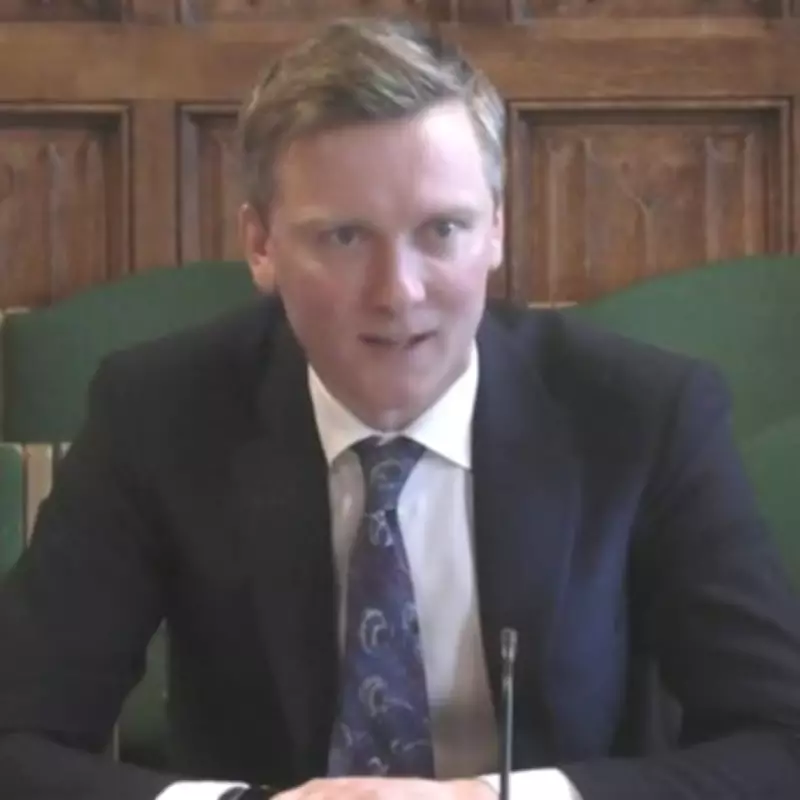
Senior Department for Work and Pensions minister Torsten Bell has provided a parliamentary update on forthcoming modifications to the state pension qualifying criteria, while notably deflecting inquiries concerning the health consequences of elevating the eligibility age.
Committee Grilling on Pension Age Timeline
Addressing the Work and Pensions Committee, Mr Bell fielded questions on financial preparation for retirement and the state pension's role in later-life planning. A central topic was the imminent increase in the state pension age, which currently stands at 66.
The eligibility age is scheduled to rise from April 2026, incrementally reaching 67 by April 2028. This acceleration represents a significant shift from the original timeline, which had projected the increase to 67 by 2036.

Deflection on Health and Frailty Concerns
MPs pressed the minister on how raising the pension age might affect "health and frailty" and what medical guidance the Government had sought. Mr Bell acknowledged that health considerations "will absolutely be part of how we act" regarding pension decisions broadly.
However, on the specific issue of health implications tied to the age increase, he stated: "The decision to increase it was obviously taken by the last Government, and the acceleration of it was also put in place by the last Government, so you will have to ask them who they spoke to at the time."
He further noted that an impact assessment was published alongside the 2014 Act that accelerated the timeline by eight years, citing rising life expectancy. "It is not for me to talk about," he added, suggesting committee members query other parliamentarians present who were involved in that legislation.
Early Access and Inequality Challenges
The minister also shared his perspective on permitting early access to the state pension, describing it as a "very good question" that deserves serious consideration. He highlighted certain "inequality challenges" that must be addressed when evaluating early access provisions for specific groups.
Mr Bell explained the necessity of a state support system for individuals too ill to work, regardless of age. He emphasized the deliberate, substantial difference in income support levels between those above and below the state pension age, largely due to differing work incentive dynamics.
Discussing early access for people with terminal illnesses, the minister recognized the profound challenges involved. "Some people's response to that is to allow early access to the state pension at particular ages—65 or 66—but there are 45-year-olds with terminal illnesses," he remarked, underscoring the complexity of tailoring provisions based on individual characteristics.
Upcoming Payment Increase and Future Changes
State pension payments are poised to rise by 4.8 percent this April under the triple lock mechanism. This policy ensures annual increases each April, aligned with the highest of three metrics: 2.5 percent, wage growth, or inflation.
Looking further ahead, legislation already exists for the state pension age to increase again from 67 to 68, scheduled between 2044 and 2046. This layered timeline of adjustments continues to shape the retirement landscape for millions across the nation.