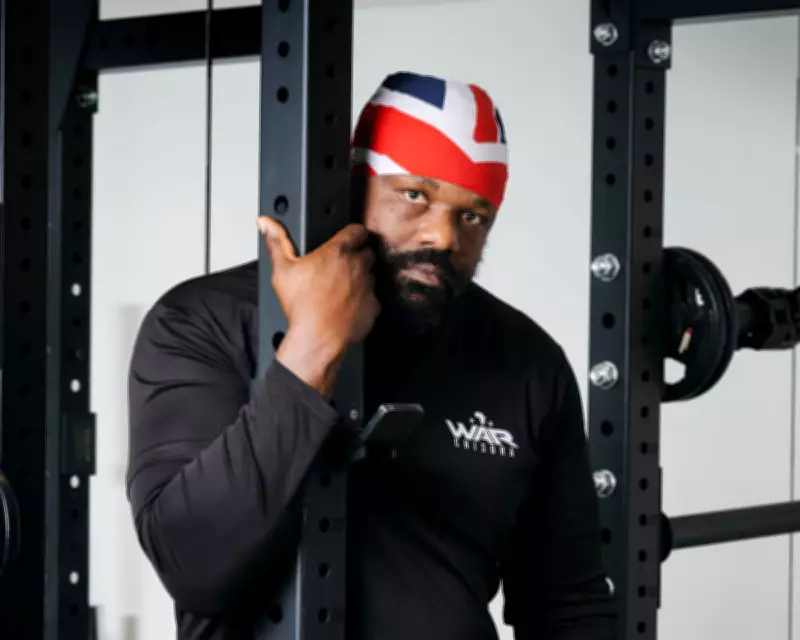
Derek Chisora, the great old warhorse of British boxing, is preparing for his 50th and potentially final professional bout against Deontay Wilder this Saturday at London's O2 Arena. In a candid interview, the 42-year-old heavyweight reflects on retirement fears, brain damage concerns, and his unexpected friendship with Reform UK leader Nigel Farage.
Facing the End of a Boxing Career
"Everybody fears the end," Chisora states when questioned about life after boxing. "Let's be honest. Everybody fears the end of their marriage, the end of their life. Everybody's got an end." Despite calls for his retirement over three years ago due to accumulated ring damage, Chisora has enjoyed a resurgence with three consecutive victories against credible opponents including Joe Joyce and Otto Wallin.
Chisora acknowledges Wilder presents a dangerous challenge despite the American's recent decline. "Right now he's very wounded and that's a very dangerous man to fight," Chisora cautions. "He's desperate." Wilder, a former world champion also entering his 50th fight, was once described as the hardest-hitting heavyweight in history, having dropped Tyson Fury four times across their trilogy.

The Addiction of Boxing Routine
Chisora compares giving up boxing to overcoming heroin addiction. "Without it you have no routine," he explains. "But if you have a fight, then for two months you come on a routine. It don't matter what goes through your mind. The routine is there. So the drug in boxing is the training. It keeps you going through the ups and downs."
Regarding brain damage risks after 19 years of professional fighting, Chisora remains philosophical. "No. What will be, will be," he says when asked if he worries about cognitive decline. "It does," he acknowledges about boxing's potential to cause brain damage before adding, "I'll be fine. Do I look and sound bad to you? I am fine."
Controversial Friendship with Nigel Farage
During the interview at Boisdale restaurant in Belgravia, Chisora's friendship with Nigel Farage becomes apparent when the Reform leader unexpectedly joins them. The pair share a warm exchange, with Farage promising to attend Chisora's final fight.
When questioned about their unlikely bond given Chisora's Zimbabwean heritage and Reform's allegations of racism, Chisora defends his friend. "When you say racist, in what sense?" he challenges. "You're always going to find people trying to fight for what's theirs. I don't call it racism. I call it politics."
Chisora dismisses suggestions he might enter politics himself, despite having worn Reform colors at previous events. "No, no," he says about last year's speculation he might run as a Reform candidate for London mayor. "It was a joke."
Boxing as a Dirty Business
"Boxing is a dirty business, like politics, bro," Chisora remarks, drawing parallels between the two worlds. Despite this characterization, he plans to remain involved in the sport after retirement. "100%," he confirms. "I love it."
Should he defeat Wilder, Chisora believes it would be "a sweet way to go out – bye, bye, Miss American Pie," referencing Tyson Fury's post-fight tradition. However, he rules out any singing or dancing celebrations. "I can't sing. I can't dance," he admits.
Post-Fight Burger Tradition
Chisora has developed a unique post-fight ritual of ordering burgers for both camps. The tradition began after his 2018 rematch with Dillian Whyte when he discovered all 50 ordered burgers had been eaten before he could claim one. "At the next fight I ordered 100 burgers and we shared them," he recalls. "It became a very good, positive thing to do."
He plans to continue this tradition after the Wilder bout with Five Guys burgers. "Food unites everybody," Chisora observes, seeing the shared meal as a unifying gesture after combat.
As he approaches what may be his final professional appearance, Chisora embodies the complex realities of a veteran fighter – confronting endings while maintaining the routines that have defined his life, navigating controversial friendships, and finding simple pleasures in post-fight burgers that symbolize boxing's strange blend of violence and camaraderie.