Harry Brook's Captaincy Future in Doubt After Nightclub Lie Admission
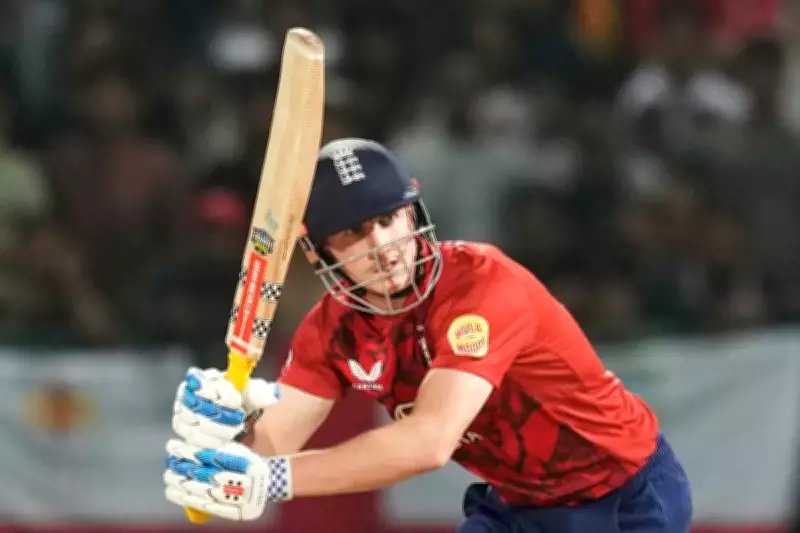
England's white-ball cricket captain Harry Brook is confronting significant challenges to his leadership position following his admission that he lied about a controversial nightclub incident in New Zealand. Former England fast bowler Steve Harmison has issued a stark warning, suggesting Brook faces "troubling times" ahead with his long-term captaincy now under fresh scrutiny.
The Incident and Initial Statement
The controversy stems from an event in Wellington on October 31, where Brook was reportedly "clocked" by a nightclub bouncer. Initially, following England's T20 victory in Sri Lanka, Brook apologised to supporters and crucially stated he was out alone that evening, accepting full responsibility for the incident.
However, this narrative unravelled when The Telegraph reported that teammates Jacob Bethell and Josh Tongue were also fined by the England and Wales Cricket Board for their involvement and are being investigated by the Cricket Regulator.

Brook's Revised Admission
In a subsequent statement released on Friday, Brook dramatically changed his account, admitting he had lied to protect his teammates. The England captain stated: "I accept responsibility for my actions in Wellington and acknowledge that others were present that evening. I regret my previous comments and my intention was to protect my team-mates from being drawn into a situation that arose as a result of my own decisions."
This reversal has placed Brook's credibility and judgment under intense examination, particularly given his position as national team captain.
Harmison's Critical Assessment
Steve Harmison, who earned 123 caps for England across all formats and is currently in Sri Lanka as a commentator, expressed serious concerns about Brook's leadership future. Speaking to talkSPORT Cricket, Harmison emphasised: "Unfortunately when you're captain and you've already made a statement, apologised and said that you were the only one involved, then I think there are troubling times for Harry coming up."
Harmison acknowledged Brook's protective intentions toward Bethell and Tongue but questioned the captain's decision-making process. "I understand what Harry tried to do, but as England captain I think there might be choppier waters ahead for him," he cautioned.
Immediate and Long-Term Consequences
While Brook will retain the captaincy for the upcoming T20 World Cup campaign beginning on February 8, his position beyond the tournament appears increasingly uncertain. Harmison advocates for a thorough review following the World Cup, stating: "Get to the end of the World Cup. Harry Brook is going to be captain for the World Cup. Will he be captain for the foreseeable future after the World Cup? I think a proper review needs to be looked at."
The situation presents a complex dilemma for cricket authorities, balancing Brook's apparent loyalty to teammates against the fundamental requirement for transparency and honesty from a national captain.
Broader Implications for English Cricket
This incident occurs against the backdrop of England's preparations for a major international tournament, potentially distracting from on-field preparations. The episode raises questions about player conduct off the pitch and the pressures facing modern cricket captains, who must navigate both sporting excellence and public scrutiny of their personal behaviour.
As the T20 World Cup approaches, Brook must now lead his team while managing the fallout from his admitted deception, with his captaincy future hanging in the balance depending on both England's tournament performance and the outcome of the impending review.