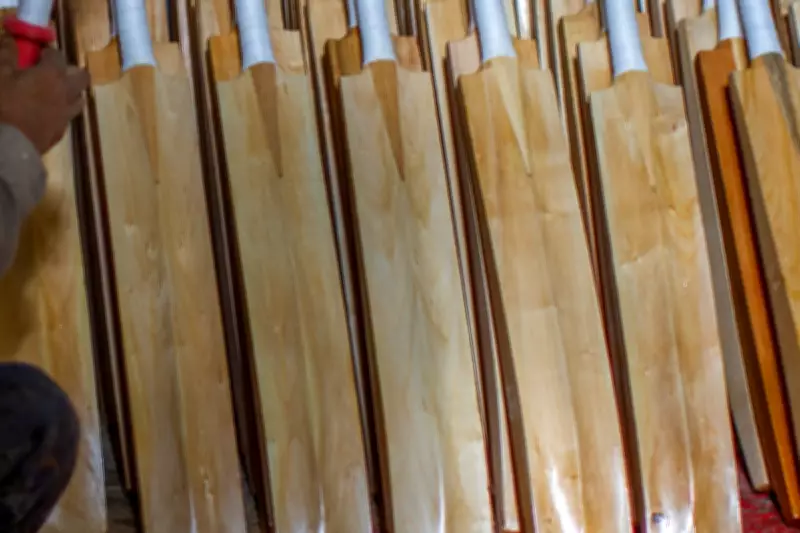
Cricket's Bat Laws Revolutionised: Laminated Bats Approved for Recreational Play
In a significant shift for the sport, the Marylebone Cricket Club (MCC) has announced sweeping changes to the Laws of Cricket that will permit the use of laminated bats in all but the elite levels of the game. This landmark decision, effective from 1 October 2026, marks a departure from longstanding regulations that required bats for open-age recreational cricket to be crafted from a single piece of willow.
Addressing Affordability and Sustainability Concerns
The move comes as a direct response to a shortage of English willow and a surge in prices driven by increased global demand. Fraser Stewart, the MCC's laws manager, emphasised to the BBC that the changes are designed to make cricket more accessible without altering the game's fundamental dynamics. "We felt if anything can be done for the lower levels of the game that will help make the sport more affordable without changing the dynamics of the game then it's a sensible move to make," Stewart stated.
Under the new regulations, bat manufacturers will be allowed to construct bats from up to three wooden pieces, a process known as lamination. Additionally, woods other than willow can be used behind the bat's face, further enhancing flexibility in production. This approach is expected to significantly reduce wood wastage, as manufacturers can utilise smaller or irregular pieces of wood that were previously discarded.

Industry Support and Environmental Benefits
Leading bat-makers, including Gray-Nicolls, have strongly advocated for this change, arguing it will combat inefficiencies in the manufacturing process. Alex Hohenkerk, a bat-maker at Gray-Nicolls, highlighted the sustainability advantages, noting that lamination allows for the use of wood that would otherwise go to waste. "Lamination is great, and demystifying what it is and does is important," Hohenkerk told The Independent. "There is a huge demand for everybody to have a bat. The village kit bag with 10 bats in it doesn’t really exist any more. Everyone wants their own thing, so you’ve got to try and find a way to make that thing."
Currently, a single willow tree typically yields around 40 bats, with each tree taking 15-20 years to mature. The adoption of laminated techniques is projected to increase this output, making cricket bat production more sustainable and cost-effective. This is particularly crucial as the sport seeks to expand its reach and ensure equipment remains affordable for grassroots players.
Additional Law Amendments for 2026
Beyond the bat regulations, the MCC has introduced several other updates to the Laws of Cricket:
- Play Continuation in Multi-Day Fixtures: If a wicket falls in the final over of a day in a multi-day match, play will now continue until the completion of that set of six balls, rather than stopping immediately.
- Ball Settlement Rules: Umpires are granted greater discretion under Law 20.1.1.1 to declare a ball dead when it is stationary or in a fielder's hands, a change from the previous requirement that it be in the wicketkeeper or bowler's possession.
- Wicketkeeper No-Ball Adjustment: Wicketkeepers will no longer risk a no-ball if their gloves stray in front of the stumps before the bowler releases the ball, though they must still not cross that line after delivery.
These comprehensive changes reflect the MCC's commitment to modernising cricket while addressing practical challenges in the sport's infrastructure. By embracing laminated bats, the governing body aims to foster a more sustainable and inclusive future for recreational cricket, ensuring that players at all levels can continue to enjoy the game without prohibitive costs.